If your dog is carrying extra pounds, a safe overweight dog diet paired with steady exercise can restore their energy and protect their joints, heart, and lifespan. This guide walks you through recognizing excess weight, building a weight loss plan for dogs and cats, and recognizing when a stalled plan or an underlying condition means it's time for Primary & Preventative Pet Care.
By Urban Vet Team, Veterinary Professionals
How to Tell If Your Dog or Cat Is Overweight
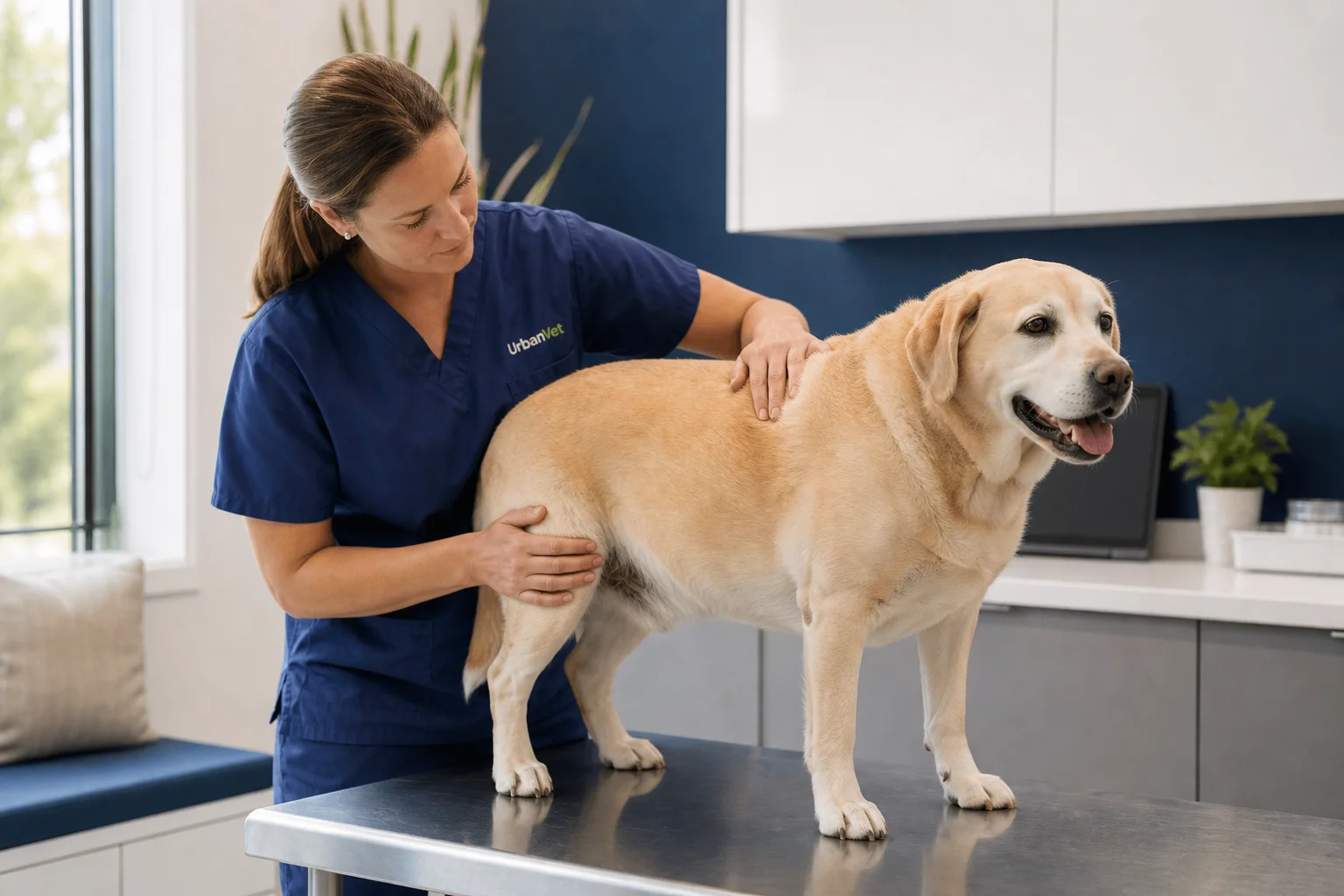
Most pet owners underestimate a pet's weight because gradual gain is easy to miss day to day. The most reliable home check is the body condition score: run your hands along your pet's ribs. You should feel them easily under a thin layer of fat, without heavy pressure. Looking from above, a dog or cat at a healthy weight will show a visible waist tuck behind the ribs, and from the side, the belly should tuck up rather than hang level with the chest.
If you cannot feel ribs, if the waist has disappeared, or if your pet seems reluctant to jump, climb stairs, or play the way they used to, those are signs the body weight has crept past a healthy range. A vet visit is the most accurate way to confirm where your pet's mass actually sits and to rule out issues like thyroid disease that can mimic ordinary weight gain.
Building a Safe Overweight Dog Diet
What to Feed an Overweight Dog to Lose Weight
The right overweight dog diet swaps calorie-dense kibble for a food formulated for weight loss, typically higher in protein and fiber and lower in fat than a standard maintenance diet. Higher protein helps maintain lean muscle while your pet sheds fat, and added fiber helps them feel full on fewer calories. How you read the guaranteed analysis on a pet food label matters here, since a bag marketed as "light" or "healthy" is not automatically low-calorie, and calorie content per cup can vary widely between brands.
Can You Just Cut Your Dog's Food Portions?
Simply reducing the amount of your dog's current food is not the safest way to help it lose weight, because a smaller portion of a calorie-dense diet often shortchanges protein, vitamins, and minerals your dog still needs at full amounts. A pet who eats less of the same food can end up losing muscle along with fat, or developing nutrition gaps over time. Switching to a food built for weight loss lets you cut calories while keeping nutrition, especially protein, complete.
The Best Diet Plan Combines a Few Elements
The best diet plan for an overweight dog usually combines a weight loss formula, a measured daily portion instead of free feeding, and consistent meal timing, and your vet can help you build that plan around your pet's specific needs. Weighing food on a kitchen scale rather than eyeballing a scoop keeps portions accurate, since making that one change often closes the gap between a stalled plan and steady progress.
Low-Calorie Treats That Still Count
Treats can derail an otherwise solid overweight dog diet fast, since many popular treats carry more calories than owners expect. Safe lower-calorie options include small pieces of plain cooked chicken, carrot or green bean pieces, or treats specifically labeled for weight management. Whatever you choose, count treat calories toward your dog's daily total rather than treating them as extra.
Calories and Exercise: The Two Levers for Safe Weight Loss
How Many Calories Does an Overweight Dog Need Per Day?
Calorie needs for weight loss are usually calculated from a dog's ideal weight, not their current weight, since feeding for the heavier body just maintains the extra pounds. In many cases, a vet will set a starting calorie target that takes your dog's activity level and neuter status into account, roughly 20 to 30 percent below what a dog at their ideal weight would normally eat, then adjust based on how the pet responds after a few weeks. Guessing costs time here: a target that is too low can trigger nutrient deficiencies, while one that is too high stalls progress entirely.
How Much Exercise Does an Overweight Dog Need to Lose Weight?
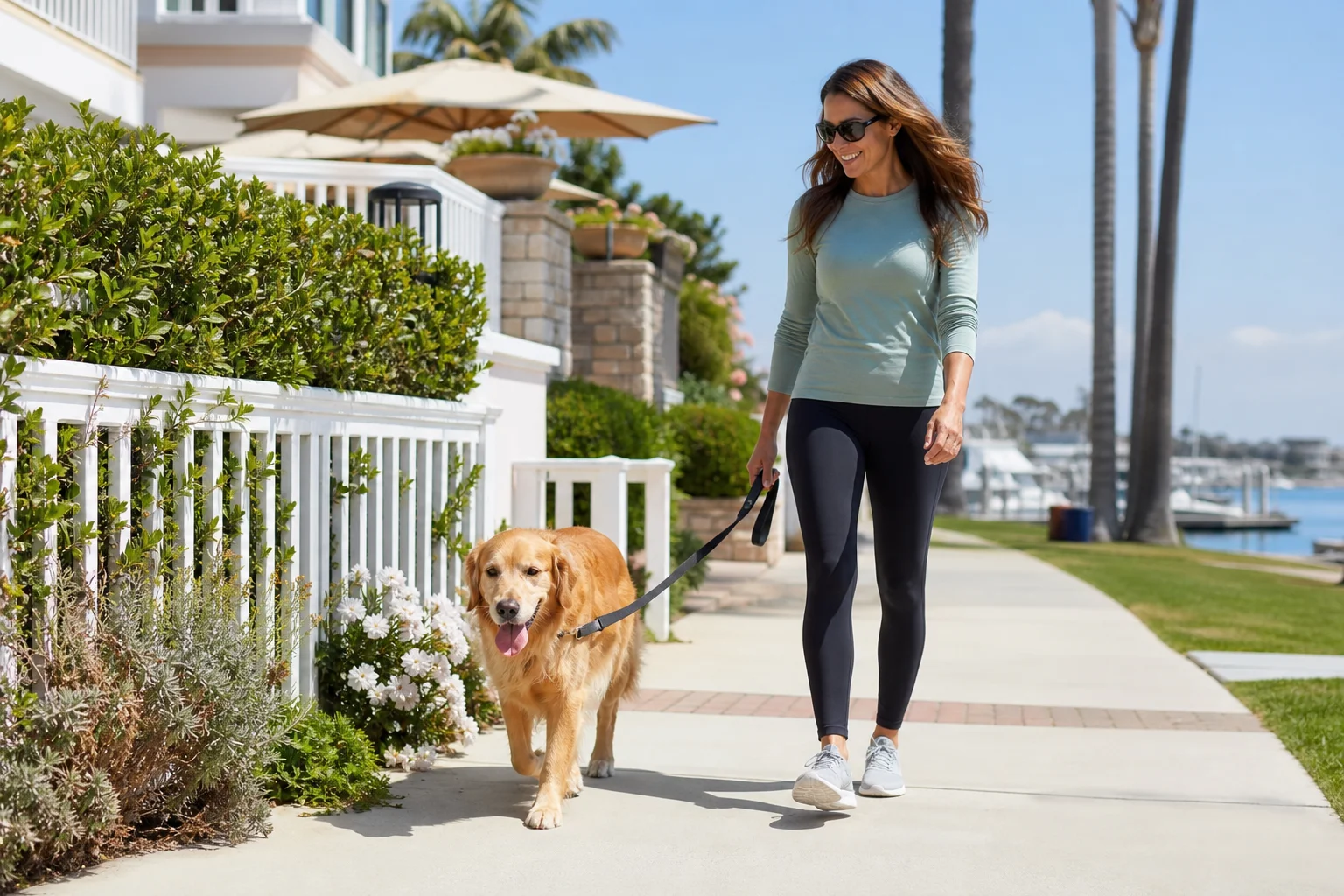
Exercise supports the diet side of weight loss rather than replacing it, since even a long walk burns fewer calories than most owners assume. For most overweight dogs, starting with two 10 to 15 minute low-impact walks a day and building up gradually as fitness improves is a reasonable approach, with swimming as a good option for dogs with joint pain. Pushing an out-of-shape dog into strenuous exercise too fast can lead to injury, so consider your pet's joints and current condition before increasing intensity.
How Fast Should Weight Loss Happen?
A Safe Weekly Pace for Dogs
A safe pace for most dogs is losing about 1 to 2 percent of body weight per week. For a 60-pound dog, that works out to roughly half a pound to a little over a pound a week. At that pace, a dog carrying 15 to 20 extra pounds may take several months to reach a healthy weight range, and that slower timeline is what protects muscle mass and prevents the rebound weight gain that comes with crash dieting.
Why Cat Weight Loss Must Go Even Slower
Weight loss looks different for cats than for dogs, and the difference matters medically. Cats that lose weight too quickly, including cats that simply stop eating enough during a diet change, are at risk for a serious liver condition called hepatic lipidosis (fatty liver disease), which can become life-threatening within days. Because of this, rapid weight loss is genuinely dangerous for cats in a way it usually is not for dogs, and any cat weight loss plan should be built and monitored with a vet rather than managed at home alone.
When to Bring an Overweight Pet to the Vet
An overweight pet should see a vet before starting any diet change, not after, since sudden weight gain or resistant weight can point to an underlying medical issue such as hypothyroidism or joint pain that limits activity. Pet Diagnostics testing can rule out those causes and confirm a target weight that is right for your pet's frame, not just a number pulled from a breed chart.
Ongoing weight checks matter too. Pets on a weight loss plan generally benefit from being weighed every few weeks so the plan can be adjusted before a stall turns into months of no progress, and this is also a natural point to fold weight tracking into regular wellness visits your pet is already due for.
Frequently Asked Questions
What is the best food for an overweight dog trying to lose weight?
The best food is one formulated specifically for weight loss, with more protein and fiber and fewer calories per cup than a standard maintenance diet. A safe overweight dog diet built around one of these foods, fed in a measured portion, helps your dog lose fat while keeping muscle and full nutrition intact. Your vet can recommend a specific formula based on your dog's size and health history.
Can dogs lose weight without exercise, just from diet alone?
Diet changes alone can produce weight loss, since calorie intake matters more than calorie burn for most pets. That said, adding appropriate exercise speeds progress, helps preserve muscle mass, and supports joint and heart health along the way. For pets with mobility issues, a vet can suggest low-impact options that still contribute to a safe weight loss plan.
Why is my dog not losing weight even on a diet?
A stalled weight loss plan is usually due to underestimated treat calories, inaccurate portion measuring, or an underlying medical issue like a thyroid problem that slows metabolism. It can also mean the calorie target itself needs to be adjusted lower as your dog loses weight. A vet visit and a fresh look at the numbers usually identifies what is holding progress back.
What is a healthy weight range for my dog or cat?
A healthy weight range depends on your pet's breed, frame, and body condition score rather than a single number, which is why vets assess ribs, waist, and overall build instead of only reading a scale. Your vet can give you a specific target weight range for your individual pet based on a hands-on exam.
How do I know if my cat's weight loss is too fast?
Any noticeable weight loss in a cat that has not been placed on a supervised plan, or a cat that stops eating for more than a day or two, needs vet attention right away. Rapid loss or appetite loss can signal hepatic lipidosis, a dangerous liver condition, so cats should only lose weight under a vet-guided plan with regular monitoring.
Start Your Pet's Weight Loss Plan With UrbanVet
If your dog or cat needs a personalized plan to reach a healthy weight, our Newport Beach team can build one around real diagnostics, body condition, and your pet's daily routine. Contact us to schedule a weight check and get started.