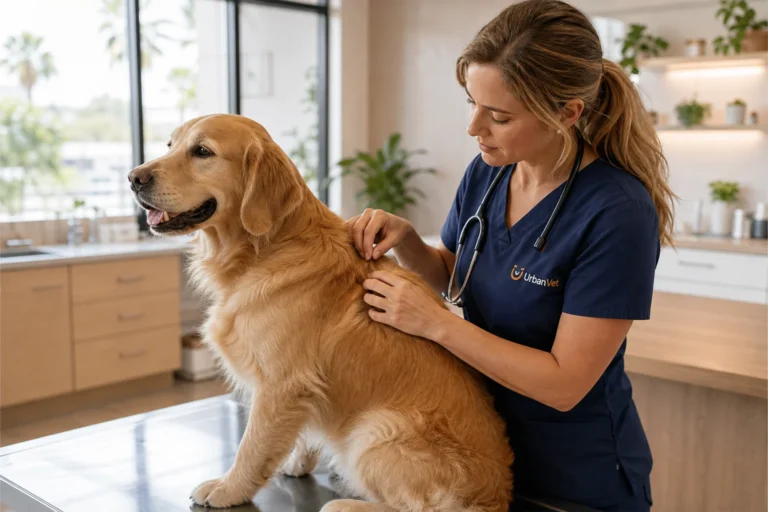
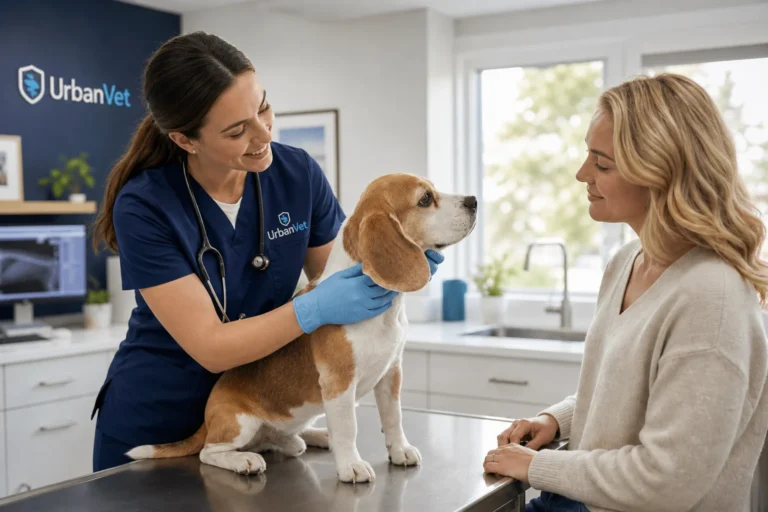
Understanding pet insurance is one of the most practical financial decisions a pet owner can make. A well-chosen insurance plan can cover surgeries, diagnostics, and chronic illness treatment, reducing out-of-pocket costs when your pet needs care most. Our Services at Urban Vet reflect what quality insurance pet coverage is designed to protect.
By Urban Vet Team, Veterinary Professionals
What Pet Insurance Covers and What It Does Not
Many pet owners ask what does pet insurance cover before they commit to a plan. Pet insurance typically reimburses you for veterinary expenses after you pay your vet and submit a claim. Coverage varies widely between insurance companies, but most insurance policies fall into three main categories: accident-only, accident and illness, and comprehensive plans that include wellness care.
Accident and illness plans are the most popular choice. They cover unexpected injuries, infections, chronic conditions, surgeries, diagnostics, and hospitalizations. Comprehensive insurance plans add routine care like vaccinations, dental cleanings, and annual wellness exams. Accident-only plans are the most affordable but cover only injuries from accidents, not illness.
According to the North American Pet Health Insurance Association (NAPHIA, 2023 State of the Industry Report), pet health insurance has grown rapidly in North America, with millions of pets now covered. This growth reflects how central proactive financial planning has become to responsible pet ownership.
Types of Pet Insurance Plans
Not all insurance plans work the same way. When comparing insurance companies, understanding the structure of each plan helps you match coverage to your pet's actual needs.
Accident and Illness Plans
These are the most widely recommended. A strong insurance policy in this category covers emergency visits, surgeries, specialist referrals, cancer treatment, and chronic condition management. This type of insurance plan is especially valuable for breeds prone to genetic or structural health issues.
Wellness and Preventive Add-Ons
Some insurance policies include or allow add-ons for routine care. Annual exams, vaccinations, flea prevention, and dental cleanings may be covered under these broader insurance plans. This can offset the cost of preventive visits across the year, though monthly premiums will be higher.
Accident-Only Plans
The most affordable option, accident-only coverage includes fractures, lacerations, ingested objects, and other trauma but excludes illness. For young, generally healthy pets, this can serve as a starting point. Most veterinary professionals recommend upgrading to a broader insurance policy as your pet ages.
Understanding Pet Insurance: Waiting Periods and Pre-Existing Conditions
Two factors that frequently surprise pet owners are the waiting period and pre-existing condition exclusions built into most insurance policies.
Every insurance policy includes a waiting period: the time between when your policy activates and when coverage begins. Most insurance companies enforce a waiting period of 14 days for illness coverage and 2 to 5 days for accident coverage. Some carriers apply a longer waiting period for orthopedic conditions, often up to 6 months.
Pre-existing conditions are any health issues your pet showed signs of before the insurance policy start date. Most insurance policies exclude these permanently. However, some insurance companies will cover conditions classified as curable after a symptom-free period, typically 12 months. Enrolling your pet as early as possible gives you the broadest coverage and the fewest pre-existing condition exclusions.
Chronic conditions such as ongoing seasonal allergies are a good example of what these waiting periods and exclusions look like in practice, since symptoms that appear before your policy start date can be excluded as pre-existing. Our seasonal allergy guide covers the signs to watch for and how these conditions are typically treated.
What Pet Insurance Costs and How Deductibles Work
Insurance pet coverage is priced based on your pet's species, breed, age, location, and the coverage tier you select. Most insurance plans let you customize three key variables: your annual deductible, your reimbursement percentage (typically 70%, 80%, or 90%), and your annual benefit limit.
A deductible is the amount you pay out of pocket before your insurance policy begins reimbursing. Lower deductibles mean higher monthly premiums but less cost surprise at the vet. Higher deductibles reduce your monthly premium but shift more financial risk to you.
A 2022 study published in Frontiers in Veterinary Science (Oxley et al.) found that financial constraints are among the leading reasons pet owners decline recommended veterinary treatment. Pet health insurance directly addresses this barrier by spreading cost over monthly premiums rather than concentrating it at the moment of crisis.
Is Pet Insurance Worth It for Your Dog or Cat?
The answer depends on your pet's breed, age, and your financial situation. But consider this: a single emergency, such as a dog swallowing a foreign object or a cat with a urinary obstruction, can generate a bill of $2,000 or more without coverage.
Insurance pet plans with premiums of $30 to $70 per month pay for themselves after one major claim. For breeds with known health risks (French Bulldogs for respiratory conditions, Golden Retrievers for cancer, Maine Coon cats for cardiac disease), insurance policies are nearly always worth carrying.
Pet insurance is not a replacement for proactive care. Primary & Preventative Pet Care remains the foundation of long-term pet health. Insurance helps you afford the unexpected; prevention reduces how often the unexpected happens.
Knowing what actually counts as an emergency matters here too, since a true emergency is exactly the kind of expense insurance is meant to cushion. Our emergency care guide breaks down which symptoms call for an immediate vet visit versus ones that can wait.
It is also worth considering timing when you enroll. Scheduling elective procedures like spaying or neutering with your policy's waiting periods in mind helps you avoid any confusion about what is and is not covered. Our care team can help you plan procedure timing alongside your enrollment decision so nothing falls into a coverage gap.
Frequently Asked Questions
Does pet insurance cover pre-existing conditions?
Most insurance policies exclude pre-existing conditions permanently. Some insurance companies make exceptions for conditions classified as curable after a 12-month symptom-free period. Enrolling your pet before any health issues develop gives you the broadest possible coverage. Always read the full terms of any insurance policy before you commit to a plan.
What is a waiting period in pet insurance?
A waiting period is the gap between your policy start date and when coverage becomes active. Most insurance plans include a waiting period of 2 to 5 days for accidents and 14 days for illness. Orthopedic conditions often carry a longer waiting period of up to 6 months. Claims submitted during the waiting period are not covered.
Does pet insurance cover routine care and wellness visits?
Standard accident and illness insurance policies do not include routine care. Some insurance companies offer wellness riders as add-ons to base insurance plans. These may cover annual exams, vaccines, flea prevention, and dental care. Confirm exactly what your insurance plan includes before assuming preventive visits are reimbursable.
How does filing a claim work?
You pay your vet at the time of the visit, then submit a claim to your insurance company along with the invoice and medical records. Most insurance companies process claims within 5 to 15 business days. Many carriers now support app-based claim submission. Keep all receipts and records, especially for ongoing conditions that require repeated treatment.
When is the best time to enroll in a pet insurance plan?
The earlier, the better. Enrolling a puppy or kitten means no pre-existing conditions on record, broader coverage options, and typically lower premiums. Most insurance companies accept pets as young as 8 weeks. While there is generally no upper age limit, premiums rise significantly for senior pets, and more conditions may be excluded as pre-existing.
Talk to Our Newport Beach Team About Your Pet's Coverage
Understanding pet insurance works best when paired with a care team that knows your pet. When you are ready to build a health plan around your pet's individual needs and discuss how your insurance policy fits in, Contact our Newport Beach clinic and we will help you get started.