The Complete Guide to Dog Vasectomy: Understanding Cost, Benefits, and Hormone-Sparing Sterilization
Dog owners often face the decision of how to manage their pet’s reproductive health. One modern alternative to traditional neutering is the dog vasectomy, a procedure that offers a hormone-sparing approach to sterilization. This comprehensive guide will explore what a dog vasectomy entails, its benefits, and how it differs from traditional neutering methods. Many pet owners are concerned about the potential side effects of neutering, such as hormonal changes and behavioral issues. A vasectomy provides a solution that preserves testosterone levels while preventing unwanted litters. In this article, we will cover the definition and procedure of canine vasectomy, the benefits of hormone-sparing sterilization, the costs associated with the procedure at UrbanVet in Newport Beach, and what to expect during recovery and aftercare.
This growing interest in hormone-sparing methods stems from a deeper understanding of the potential drawbacks associated with traditional spay/neuter procedures.
Dog Vasectomy: Hormone-Sparing Sterilization Benefits
only recently that potential negative outcomes of spay/neuter have been recognized, leading to growing interest in hormone-sparing sterilization methods. Hysterectomy, vasectomy and nonsurgical epididymal approaches are options to sterilize dogs while preserving their gonadal hormone production.
Growing interest in hormone sparing dog sterilization and recommendations for standard identification methods, L Brent, 2019
What Is a Dog Vasectomy and How Does It Differ from Traditional Neutering?
A dog vasectomy is a surgical procedure that involves cutting and sealing a portion of the vas deferens, the tube that carries sperm from the testicles. This procedure effectively prevents sperm from being released during ejaculation, thus rendering the dog sterile while preserving its testosterone production. Unlike traditional neutering, which involves the removal of the testicles, a vasectomy allows the dog to maintain its hormonal balance, which can have significant health and behavioral benefits.
Research further supports the effectiveness of vasectomies in maintaining a dog’s natural hormonal balance while preventing reproduction.
Preserving Testosterone with Hormone-Sparing Dog Sterilization
results suggest that counseling a hormone sparing procedure because testosterone levels were similar to those dogs with intact gonads, but without the ability to reproduce.
Concepts in sterilization, 2022
Definition and Procedure of Canine Vasectomy
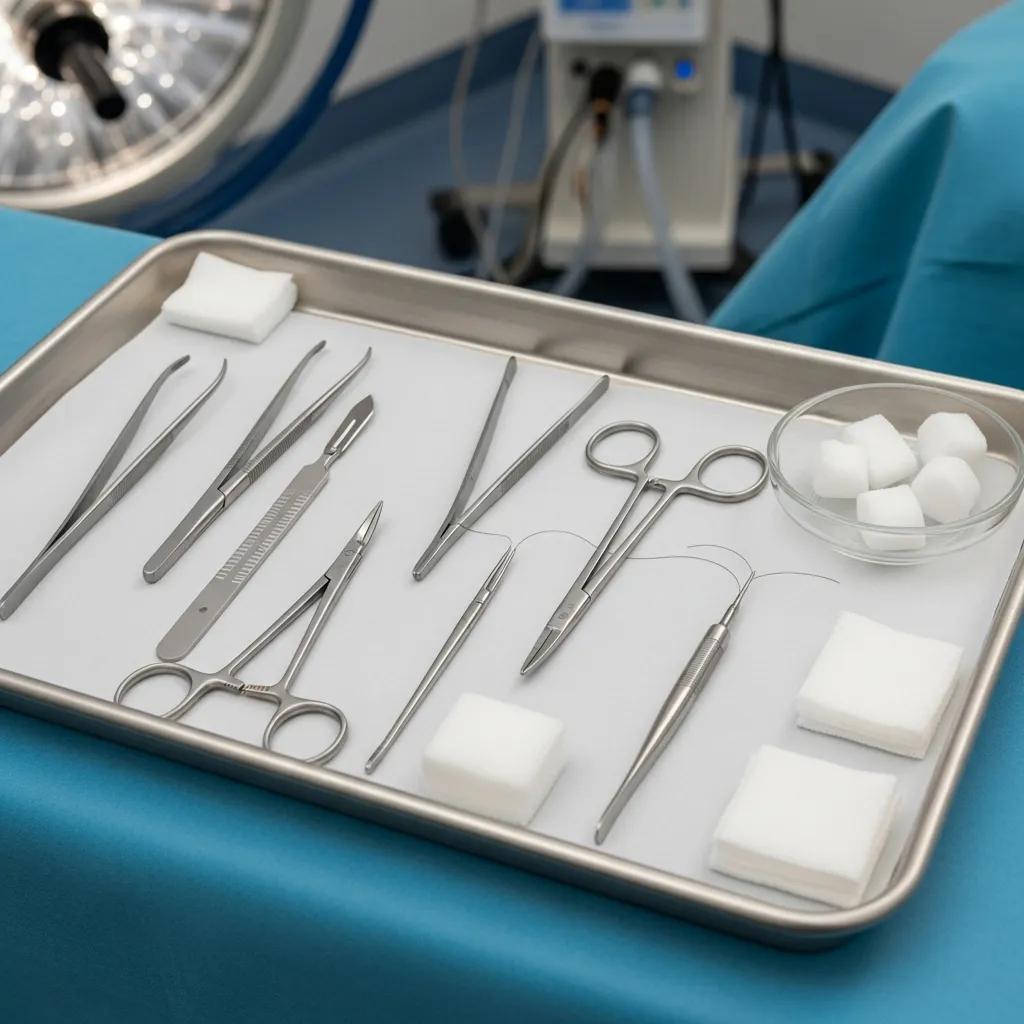
The canine vasectomy procedure typically involves the following steps:
- Anesthesia: The dog is placed under general anesthesia to ensure comfort during the procedure.
- Incision: A small incision is made in the scrotum to access the vas deferens.
- Vas Deferens Ligation and Removal: A section of the vas deferens is removed or ligated, preventing sperm from traveling to the urethra.
- Closure: The incision is closed with sutures or surgical glue, and the dog is monitored during recovery.
This minimally invasive procedure usually takes less than an hour and allows for a quicker recovery compared to traditional neutering.
Specific surgical techniques, such as laparoscopic approaches, exemplify the minimally invasive nature of modern vasectomy procedures.
Laparoscopic Vasectomy vs. Traditional Castration in Dogs
In group I laparoscopic vasectomy by cauterization and cutting of the vas deferens was performed and in group II conventional open castration by the pre-scrotal approach was done. Insufflation of the abdominal cavity was achieved with CO_2 (2 L/min) at 10 mmHg pressure gradient. Two ports were needed to carry out the operation. Clinical observations revealed no significant changes.
Laparoscopic sterilization vs. open method sterilization in dogs: a comparison of two techniques, N Kumar, 2009
Key Differences Between Vasectomy and Neutering in Dogs
The primary differences between a vasectomy and traditional neutering include:
| Aspect | Vasectomy | Neutering |
|---|---|---|
| Hormonal Impact | Preserves testosterone levels | Eliminates testosterone production |
| Surgical Invasiveness | Less invasive | More invasive (testicle removal) |
| Recovery Time | Generally quicker recovery | Longer recovery |
| Behavioral Changes | Minimal changes | Potential behavioral changes |
Understanding these differences can help pet owners make informed decisions about their dog’s reproductive health.
What Are the Benefits of Hormone-Sparing Sterilization for Dogs?
Hormone-sparing sterilization, such as a vasectomy, offers several advantages for dogs. By preserving testosterone levels, this procedure can contribute to better overall health and well-being.
Health Advantages of Preserving Testosterone in Dogs
Preserving testosterone through a vasectomy can lead to various health benefits, including:
- Reduced Risk of Certain Cancers: Maintaining testosterone levels may reduce the risk of some health issues, but evidence is mixed regarding prostate cancer risk; some studies suggest neutering reduces prostate disease risk, while others indicate hormone preservation may have benefits.
- Overall Health Maintenance: Testosterone plays a role in maintaining muscle mass and bone density, which can contribute to a dog’s overall vitality.
Behavioral and Developmental Benefits of Dog Vasectomy
In addition to health benefits, a vasectomy can positively impact a dog’s behavior and development:
- Behavioral Stability: Dogs that retain their testosterone may exhibit more stable behavior, though some behaviors linked to testosterone, such as marking or aggression, may persist.
- Developmental Considerations: Hormonal balance can support proper growth and development, particularly in young dogs.
Why Choose UrbanVet for Your Dog’s Vasectomy Procedure?
UrbanVet stands out for its commitment to providing high-quality veterinary care. The clinic’s experienced veterinary team specializes in modern surgical techniques, ensuring that each procedure is performed with the utmost care and precision. Additionally, UrbanVet emphasizes a compassionate approach, making the experience as stress-free as possible for both pets and their owners.
What Should You Expect During Recovery and Aftercare for Dog Vasectomy?

Recovery from a dog vasectomy is generally straightforward, but it’s essential for pet owners to understand what to expect during this period.
Typical Recovery Timeline and Post-Operative Care Instructions
After the procedure, dogs typically experience a quick recovery. The following care instructions are recommended:
- Rest: Limit physical activity for about 7 to 10 days to allow for proper healing.
- Monitoring: Keep an eye on the incision site for any signs of infection, such as swelling, redness, or discharge.
- Follow-Up: Schedule a follow-up appointment with your veterinarian to ensure proper healing.
Monitoring for Complications and When to Contact Your Veterinarian
While complications are rare, pet owners should be aware of potential signs that may require veterinary attention:
- Excessive swelling or redness at the incision site
- Persistent bleeding
- Signs of pain or discomfort that do not improve
If any of these symptoms occur, it is crucial to contact your veterinarian promptly for further evaluation.