Signs Your Pet Needs Dental Care — UrbanVet’s Guide to Symptoms and Treatment Options
Dental disease is common in dogs and cats and often develops quietly: plaque hardens into tartar, bacteria move under the gumline, and teeth and supporting bone can become damaged. This guide lays out clear, practical signs that your dog or cat needs veterinary dental care, when to schedule a professional cleaning, how oral disease affects eating and behavior, and what to expect from modern veterinary dentistry. Catching problems early prevents pain, tooth loss, and possible long‑term effects on organs like the heart and kidneys. You’ll find straightforward symptom checks, scheduling guidance, simple home steps to slow disease, and a summary of how UrbanVet in Newport Beach supports pet dental health with exams, sedation-based cleanings, dental x‑rays, and membership options for ongoing care. Read on for symptom lists, procedure overviews, behavior signals, quick-reference tables, and easy booking tips so you can act confidently if you suspect dental trouble.
Common signs your dog or cat needs dental care
Dental disease usually starts with plaque, moves to gingivitis, and can progress to periodontal disease. Bacteria under the gumline cause inflammation and tissue breakdown that may eventually loosen teeth. Spotting these signs early reduces pain and the risk of infection spreading through the body. Use the checklist below when you look in your pet’s mouth and note any ongoing or worsening changes.
- Persistent bad breath that doesn’t go away after toys or treats are removed.
- Visible brown or yellow tartar on tooth surfaces, especially near the gumline.
- Red, swollen, or bleeding gums during or after gentle touching.
If you notice one or more of these signs, note when they started and how severe they are to share with your veterinarian. Early treatment often reduces the need for extractions and more extensive periodontal work.
Identification of Oral Pathologies in Companion Animals: Clinical Manifestations and Diagnostic Procedures
Oral disease is common in dogs and cats of all ages. A full oral exam should be part of every comprehensive physical. Many animals examined show some abnormality in the mouth. Clinical signs vary with the underlying cause, but you should investigate oral disease when a patient shows signs of oral pain, trouble swallowing, reduced appetite (interested but reluctant to eat), excessive drooling, facial swelling or draining tracts, bad breath, or oral bleeding. This chapter covers periodontal disease and other disorders of the oral cavity.
Disorders of the oral cavity, 2005
How bad breath points to dental problems
Halitosis — ongoing foul breath — usually comes from bacteria in plaque and tartar producing smelly compounds. If your pet’s breath smells bad even when they haven’t eaten anything unusual, the issue is often bacteria under the gumline rather than temporary food odors. Persistent halitosis often means active infection or inflammation and should prompt an oral exam; professional cleaning and dental radiographs may be needed to find disease hidden below the gums. If you notice chronic bad breath, schedule an exam to treat the source, ease pain, and protect overall health.
Visible signs of gum disease and tooth problems
Many owners can spot gum recession, red gums, or tartar buildup during routine petting. These are signs of progressive periodontal disease that, if not treated, can loosen teeth and lead to infection. Loose, fractured, or missing teeth and swelling along the jaw usually indicate more advanced disease and typically require dental x‑rays and possible extractions under anesthesia. Bleeding gums during play or after chewing are a sure sign that gingivitis is active and a professional cleaning plus targeted home care are needed. Regular checks and early veterinary assessment reduce the chance of complex surgery and help preserve your pet’s oral function.
| Symptom | How it appears | What it may mean |
|---|---|---|
| Bad breath | Persistent foul odor between cleanings | Bacterial overgrowth / periodontal disease |
| Tartar buildup | Brown or yellow deposits near the gums | Longstanding plaque mineralization |
| Red or bleeding gums | Redness, bleeding after touch or chewing | Gingivitis that may progress to periodontitis |
| Loose or missing teeth | Shifting teeth, gaps, or teeth that are gone | Advanced periodontal destruction |
This table helps you prioritize what most often needs veterinary attention and which issues you can address early with preventive care.
When you want a professional check, UrbanVet evaluates these signs during a dental consult and recommends a personalized plan. Ask about preventive membership options to make regular care and scheduled cleanings easier to manage.
When to schedule a veterinary dental cleaning
A veterinary dental cleaning is the most effective way to remove tartar and treat periodontal disease because it cleans both visible surfaces and the subgingival areas where plaque hides. Cleanings are performed under sedation and include dental radiographs to reveal hidden problems. Many healthy adult dogs and cats do well with an annual cleaning; pets with active periodontal disease, certain breeds, or older age may need cleanings every six months depending on clinical risk. Timing depends on what your vet finds on exam, your pet’s breed and age, the quality of home care, and any clinical signs like bleeding or changed chewing. A risk‑based schedule helps prevent progression and lowers systemic risk. Use the table below as a general guide.
| Group | Key attribute | Recommended frequency |
|---|---|---|
| Most adult pets | No active periodontal disease; regular home care | Annually |
| High‑risk pets | Seniors, brachycephalic breeds, prior periodontal disease | Every 6 months |
| Puppies & kittens | Baseline exam for oral development | Initial exam and follow‑up as recommended |
This comparison shows how cleaning frequency changes with risk factors and why periodic x‑rays during cleanings help catch root problems you can’t see. UrbanVet customizes each pet’s schedule during the consult; their dental cleanings include a full oral exam, subgingival scaling, polishing, dental radiography, and monitored sedation—ask about membership coverage when booking.
How often do dogs and cats need professional dental cleanings?
Frequency is based on individual risk. Many pets are fine with yearly cleanings; pets with established periodontal disease or risk factors often need more frequent care to control inflammation and bacterial load. Risk factors include age, skull shape that traps plaque, limited home oral care, and a history of dental disease. Addressing these factors lowers the chance of future extractions. Signs that merit an earlier appointment include new bleeding gums, persistent bad breath, reluctance to chew, or facial swelling. Track these signs and follow your veterinarian’s risk‑based recommendation to protect long‑term oral health.
What to expect during a dental cleaning at UrbanVet
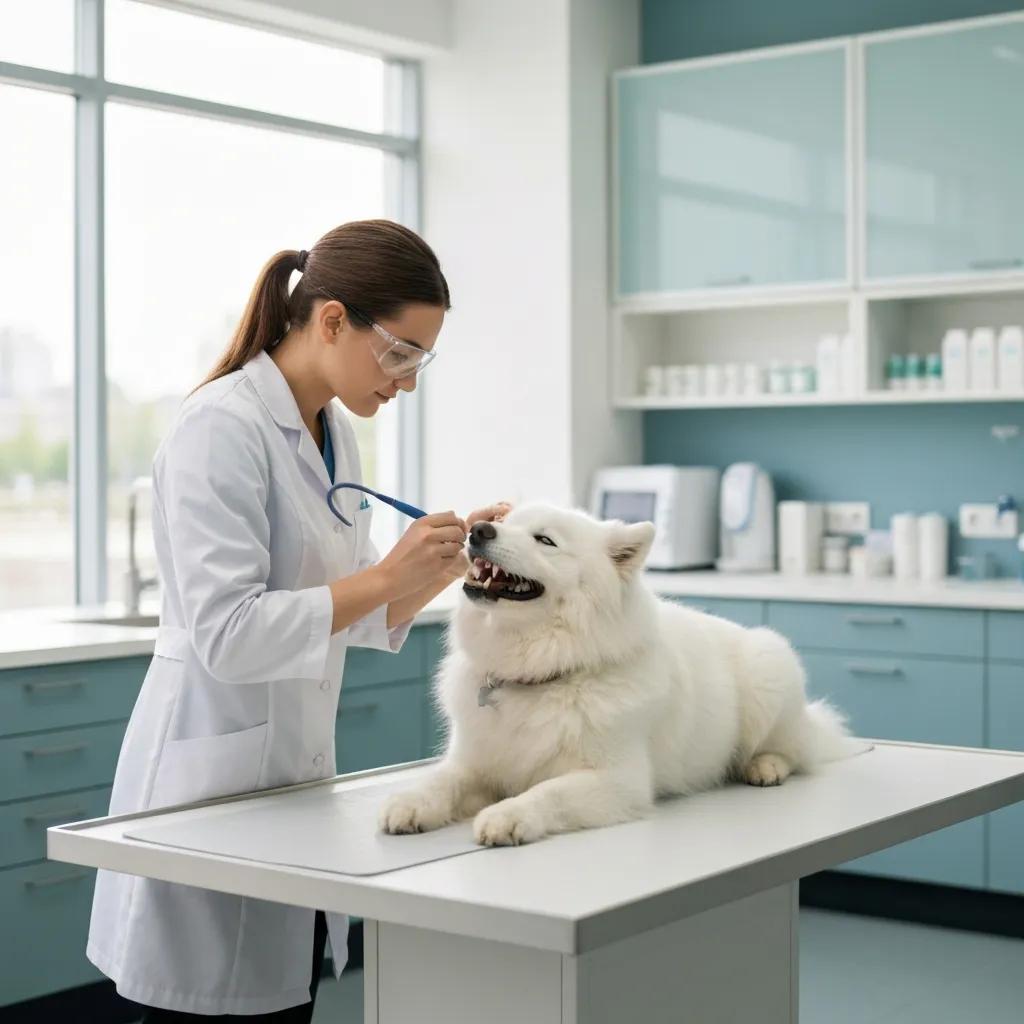
A modern veterinary dental cleaning starts with a pre‑op assessment and proceeds under anesthesia with monitoring. The procedure includes full‑mouth scaling above and below the gumline, dental radiographs, polishing, and any extractions or treatments indicated by the x‑rays. Dental radiography is essential because many root abscesses and fractures are invisible without x‑rays and guide decisions about extractions or root treatment. After the procedure your pet receives pain control, monitored recovery, and a home‑care plan that may include brushing, prescription diets, or dental chews. UrbanVet provides a clear summary of findings and schedules follow‑up care to help maintain oral health.
How to spot pain and behavior changes from dental disease
Animals often hide dental pain, so look for subtle behavior changes that indicate trouble. Pain can come from exposed nerves in deep pockets, infected roots, or pressure on periodontal ligaments, and it commonly causes reluctance to chew and changes in play or grooming. Examples range from dropping food and favoring one side while chewing to reduced grooming in cats that leads to a matted coat. The short checklist below helps you monitor for changes and decide when to book an exam.
- Refusing hard food or dropping kibble while eating.
- Pawing at the face or rubbing the cheeks against furniture.
- Reduced grooming, increased irritability, or withdrawing from people.
Check these behaviors weekly and note any worsening. Clear notes and, if possible, photos give your veterinarian useful context and speed diagnosis, which reduces pain and improves quality of life.
Signs of dental pain in dogs and cats
Typical signs include altered chewing, reluctance to eat hard food, pawing at the mouth, facial swelling, and behavioral changes like hiding or increased irritability. Cats often show reduced grooming and weight loss because they hide discomfort; dogs may drool, have trouble picking up toys, or react aggressively when their face is touched. Keep a short checklist and photograph any suspicious areas to share at the appointment. Prompt evaluation allows targeted treatment and pain control so your pet can get comfortable again.
How dental disease affects eating and behavior
Chronic dental disease changes chewing mechanics and causes ongoing inflammation that can reduce appetite, shift food preferences, and lead to weight loss over time. Systemic inflammation from oral bacteria can also reduce energy and exercise tolerance. Left untreated, dental problems often require more extensive surgery later. If you notice progressive changes in eating or behavior, schedule an expedited dental exam and x‑rays to determine the cause. Early treatment helps preserve teeth, restore normal eating, and improve overall well‑being.
How UrbanVet supports pet dental health locally
UrbanVet in Newport Beach offers modern, local dental care focused on thorough exams, sedation‑based cleanings, dental radiography, scaling, polishing, and extractions when needed. Our team of experienced veterinarians and certified technicians delivers individualized, evidence‑based care with an emphasis on long‑term wellness. Membership plans can make routine preventive care easier to manage and more affordable. We aim to be your neighborhood partner for pet health—communicating clearly about findings, keeping anesthesia safety a top priority, and providing follow‑up plans to maintain oral health over time. Below is a quick look at core services and what they deliver.
| Service | Included items | Benefit |
|---|---|---|
| Oral exam & consult | Charting, risk assessment | Personalized treatment plan |
| Dental cleaning | Sedation, scaling, polishing, radiographs | Thorough plaque removal and clear diagnostics |
| Extractions & surgery | Pain control, monitored anesthesia | Resolves non‑restorable teeth and infection |
This matrix shows how each service supports long‑term dental health and helps owners see the value of preventive care. To book dental services at UrbanVet in Newport Beach, tell us about recent symptoms and share any photos when you schedule. Ask about our wellness membership options for routine exams and priority scheduling to keep your pet’s mouth healthy.