As pets grow older, their needs change in ways that can catch even the most attentive owners off guard. Senior dog care is not simply a matter of feeding the same food and hoping for the best. It requires a deliberate shift in how you approach nutrition, exercise, veterinary visits, and daily observation. The same is true for aging cats. With the right knowledge and a proactive care plan, many pets stay comfortable, active, and engaged well into their senior years.
This guide covers the key aspects of caring for an older dog or cat, including what changes to expect, which health issues are most common, and when to lean on a geriatric pet veterinarian for expert guidance.
When Does a Pet Become a Senior?
The answer depends on species and size. Cats are generally considered seniors around age 11, though some veterinarians use age 7 as the threshold for increased monitoring. For dogs, the timeline varies by breed and body size.
Small and toy breeds tend to age more slowly and may not enter their senior phase until age 10 or 11. Medium-sized dogs typically reach senior status around age 8 or 9. Large and giant breeds age faster, with many considered seniors by age 6 or 7.
These are broad guidelines, not hard cutoffs. Your veterinarian is the best source of guidance on when to adjust your pet's care plan based on their individual health, breed, and history.
Common Health Issues in Older Dogs and Cats
Aging brings a range of physical changes that can affect your pet's comfort and quality of life. Recognizing these issues early makes a meaningful difference in outcomes.
Arthritis and Joint Pain
Arthritis is one of the most common conditions in senior pets. Dogs may show reluctance to climb stairs, hesitate before jumping, or move more slowly after rest. Cats may stop grooming hard-to-reach areas or become less interested in their favorite perches. These behavioral shifts are often the first visible signs that joint pain is interfering with daily life.
Veterinary management of arthritis in senior pets can include weight management support, joint supplements, pain medications, physical therapy referrals, and environmental modifications such as ramps, orthopedic beds, and litter boxes with lower entry points.
Cognitive Decline
Cognitive dysfunction syndrome, sometimes compared to dementia in humans, affects a portion of older dogs and cats. Signs include disorientation, changes in sleep patterns, reduced interaction with family members, house soiling in a previously trained pet, and increased vocalization at night.
This condition is treatable to varying degrees. A geriatric pet veterinarian can evaluate your pet, rule out other causes for the behavioral changes, and recommend management strategies that improve daily function and comfort.
Dental Disease
Dental disease is extremely common in senior pets and is often underestimated as a health issue. Bacteria from periodontal disease can affect the kidneys, heart, and liver over time. Pain from dental disease may cause a pet to eat less or show changes in behavior without any obvious sign pointing to the mouth.
Regular dental exams and cleanings, along with home dental care where possible, are an important part of senior pet health maintenance.
Kidney and Liver Changes
The kidneys and liver naturally lose some functional capacity with age. Chronic kidney disease is one of the most frequently diagnosed conditions in senior cats. Early stages often have no obvious symptoms, which is why routine bloodwork becomes particularly important as pets grow older.
Diagnosis at an early stage allows for dietary adjustments and supportive care that can slow progression and maintain quality of life for a longer period.
Thyroid Disorders
Hyperthyroidism, a condition where the thyroid gland produces too much hormone, is common in older cats. It often presents as unexplained weight loss despite a strong or increased appetite, along with increased thirst and restlessness. The condition is very manageable when caught and treated.
Hypothyroidism, where the thyroid is underactive, more commonly affects dogs. Signs include weight gain, lethargy, and skin or coat changes.
Elderly Cat Health Issues to Watch For
Beyond kidney disease and thyroid disorders, older cats are prone to diabetes, hypertension, inflammatory bowel disease, and cancer. Because cats are skilled at masking discomfort, behavioral changes are often the primary clue that something has shifted. Changes in litterbox habits, grooming patterns, appetite, or activity level all warrant a veterinary conversation.
Nutrition for Senior Pets
Dietary needs shift with age. Senior dogs and cats often benefit from adjusted protein levels, added joint support nutrients, and modified calorie content to match a slower metabolism. The right food depends on your specific pet's health status, not just their age category.
Some older pets need more protein to maintain muscle mass. Others with kidney disease need restricted phosphorus. Some benefit from added omega-3 fatty acids for joint and cognitive support. A one-size-fits-all senior formula may not be the right fit for your individual pet.
Discuss your pet's current diet with your veterinarian at least once a year, or sooner if their weight, energy, or digestion changes noticeably. Prescription diets, when appropriate, can make a measurable difference in managing age-related conditions.
Exercise and Mental Stimulation
Mobility may slow, but regular, gentle activity remains important for senior pets. Short, consistent walks are better for an older dog than one long demanding outing. Swimming is an excellent low-impact option for dogs with joint pain, as the buoyancy reduces stress on joints while still providing meaningful movement.
For cats, play sessions with wands or puzzle feeders adapted to their current energy level keep them mentally engaged without requiring the acrobatics of a younger animal.
Mental stimulation matters as much as physical exercise, particularly for pets showing signs of cognitive decline. Scent games, food puzzles, and regular positive interaction with their people all contribute to sustained brain health.
How Often Should Senior Pets See the Vet?
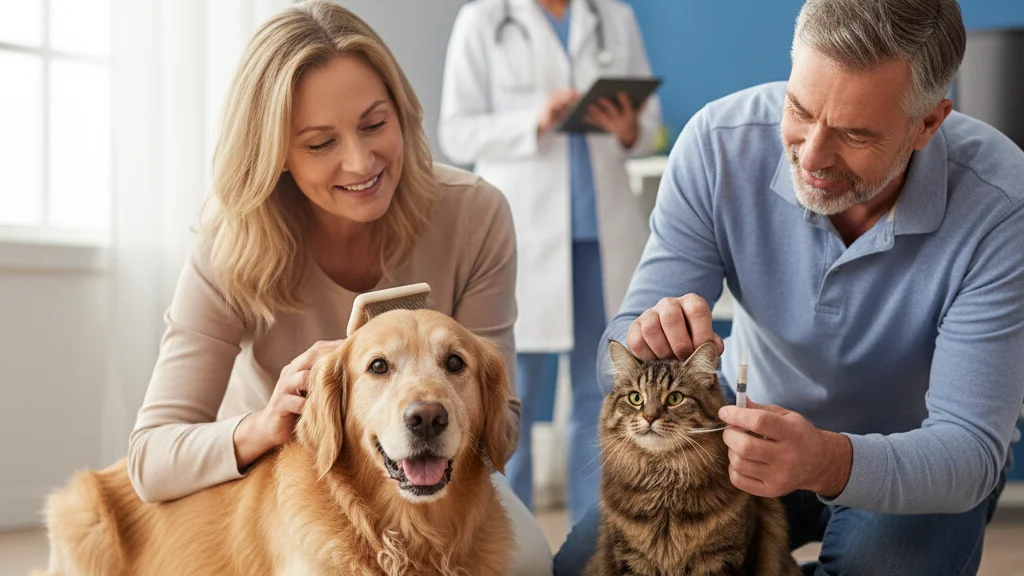
Most veterinarians recommend twice-yearly wellness visits for senior pets rather than the annual schedule that works for younger animals. A lot can change in six months for an older dog or cat, and routine monitoring allows for early detection of conditions that are far easier to manage when caught at an early stage.
These senior wellness visits typically include a thorough physical exam, blood and urine testing, blood pressure measurement where appropriate, dental evaluation, and a conversation about any behavioral or physical changes you have observed at home.
Your own observations between visits are valuable data. Keep brief notes on changes in appetite, thirst, weight, mobility, sleep, or behavior. This kind of longitudinal record helps your veterinarian identify trends that a single visit might not reveal.
Creating a Comfortable Home Environment
Small adjustments at home can have a real impact on a senior pet's daily quality of life.
- Place food, water, and litter boxes on each floor of a multi-story home so your pet does not have to navigate stairs for basic needs.
- Use non-slip mats on hard floors to prevent slipping, which can be painful and frightening for a pet with joint issues.
- Provide ramps or steps to reach furniture your pet has always enjoyed sleeping on.
- Keep sleeping areas warm and away from drafts, as older pets are more sensitive to cold.
- Maintain consistent routines. Senior pets, particularly those with cognitive changes, are often comforted by predictability.
When to Seek Care Sooner Rather Than Later
Some changes in an older pet warrant a veterinary visit without waiting for the next scheduled wellness check. Contact your veterinarian promptly if your pet stops eating for more than a day, shows sudden difficulty breathing, has unexplained weight loss, begins having accidents in the house after previously being reliable, shows signs of pain such as crying out or guarding a body part, or develops sudden changes in coordination or awareness.
These signs do not always indicate a crisis, but they do deserve professional evaluation. Early intervention often leads to better outcomes and helps avoid more serious complications.
Partner With UrbanVet for Senior Pet Care
The team at UrbanVet is experienced in the specific needs of aging dogs and cats. Whether your senior pet needs a comprehensive wellness exam, help managing a chronic condition, or guidance on nutrition and home care adjustments, UrbanVet provides attentive, expert care tailored to each patient. Schedule a senior wellness visit at myurbanvet.com to make sure your pet is getting the support they need at this stage of life.
Frequently Asked Questions
How do I know if my senior dog is in pain?
Older dogs often mask pain, but common signs include reluctance to rise after rest, changes in gait, reduced interest in play, increased panting, growling or snapping when touched in certain areas, and a general decrease in energy or social engagement. A veterinary exam can help identify the source and appropriate management.
Are there special vaccines or tests recommended for senior pets?
Senior pets typically follow the same core vaccination schedule as adult pets, though your veterinarian may adjust timing based on overall health status and lifestyle. More distinctive for seniors is the addition of twice-yearly bloodwork, urinalysis, and blood pressure monitoring to catch age-related organ changes as early as possible.
What is a geriatric pet veterinarian and when should I see one?
A geriatric pet veterinarian is a veterinarian with advanced experience or training in the care of older animals. They are particularly well equipped to evaluate and manage complex, multi-condition senior pets. Your general practice veterinarian may refer you to a geriatric or internal medicine specialist if your pet's needs become more involved than routine senior care can address.