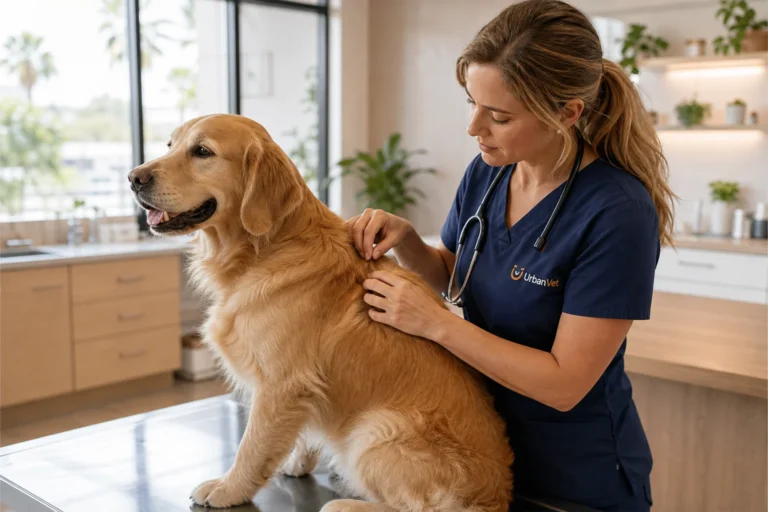
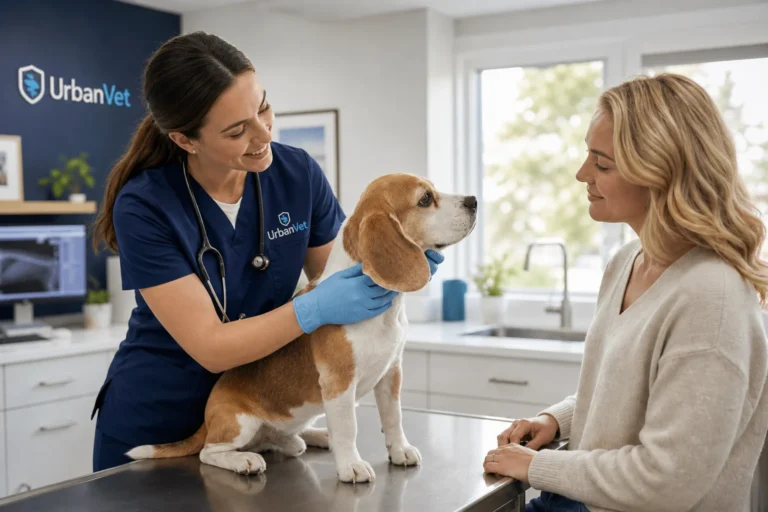
Knowing the difference between a true pet emergency and a wait-and-watch situation can save your pet's life. When you spot pet emergency signs like difficulty breathing, uncontrolled bleeding, or sudden collapse, get to an emergency vet immediately. For milder concerns, a same-day call to your regular vet is the right first step.
As pet owners, few moments are more frightening than realizing something is wrong with your dog or cat and not knowing what to do next. Is this a true emergency? Can it wait until morning? Should you drive to an animal emergency hospital right now?
At UrbanVet in Newport Beach, we understand that your pet is family. That's why we want to give you the knowledge you need to act quickly and confidently when it matters most.
The Signs That Always Mean Go Now
Some pet emergency signs require immediate action, no second-guessing, no waiting to see if it improves. If your pet is showing any of the following, head to an emergency vet or animal emergency hospital right away.
Breathing Problems
Difficulty breathing is one of the most critical signs of a pet emergency. This includes:
- Open-mouth breathing in cats (this is never normal)
- Labored, rapid, or shallow breathing in dogs or cats
- Blue, grey, or pale gums
- Extended neck and elbows pointing outward (a sign of severe respiratory distress)
Breathing problems can escalate in minutes. If you notice any of these signs, do not wait.
Uncontrolled Bleeding
Bleeding that doesn't stop with firm pressure after five minutes is urgent. This applies to wounds from trauma, animal attacks, or accidents. Apply a clean cloth and apply firm, constant pressure while you drive to the nearest emergency vet.
Suspected Poisoning or Toxin Ingestion
If your pet has eaten something toxic, common culprits include grapes, xylitol (found in sugar-free gum and peanut butter), certain plants, medications, or cleaning products, treat it as an emergency even if symptoms haven't started yet. Contact your vet or an animal poison control line immediately for guidance before symptoms develop.
Collapse or Inability to Stand
A pet that collapses, cannot get up, or suddenly cannot use their back legs needs emergency care immediately. This can indicate a neurological event, cardiac issue, spinal injury, or internal bleeding.
Seizures
A single short seizure can be terrifying, but if a seizure lasts more than two to three minutes, if your pet has multiple seizures in a 24-hour period, or if they do not return to normal within 30 minutes after a seizure, this is a medical emergency. Keep your pet away from hard surfaces and edges, and do not place your hand near their mouth.
Suspected Bloat (in Dogs)
Gastric dilatation-volvulus (GDV), commonly called bloat, is a life-threatening condition in dogs, especially large and deep-chested breeds. Warning signs include a distended, tight abdomen, unproductive retching (trying to vomit but nothing comes up), restlessness, and drooling. This is a surgical emergency with a narrow window for survival.
Eye Injuries or Sudden Vision Changes
Eye injuries can worsen rapidly. If your pet has a visible wound to the eye, is pawing at their eye with intense distress, or has a suddenly cloudy or bulging eye, seek urgent care right away. Prompt treatment can mean the difference between vision loss and a full recovery.
Difficulty Urinating (Especially in Cats)
A cat that is straining to urinate and producing little or no urine may have a urethral blockage, a condition that can become fatal within hours. Male cats are especially vulnerable. If you notice your cat making repeated trips to the litter box, crying, or licking their genital area with no results, this is an emergency.
Signs That Are Urgent But Can Start With a Phone Call
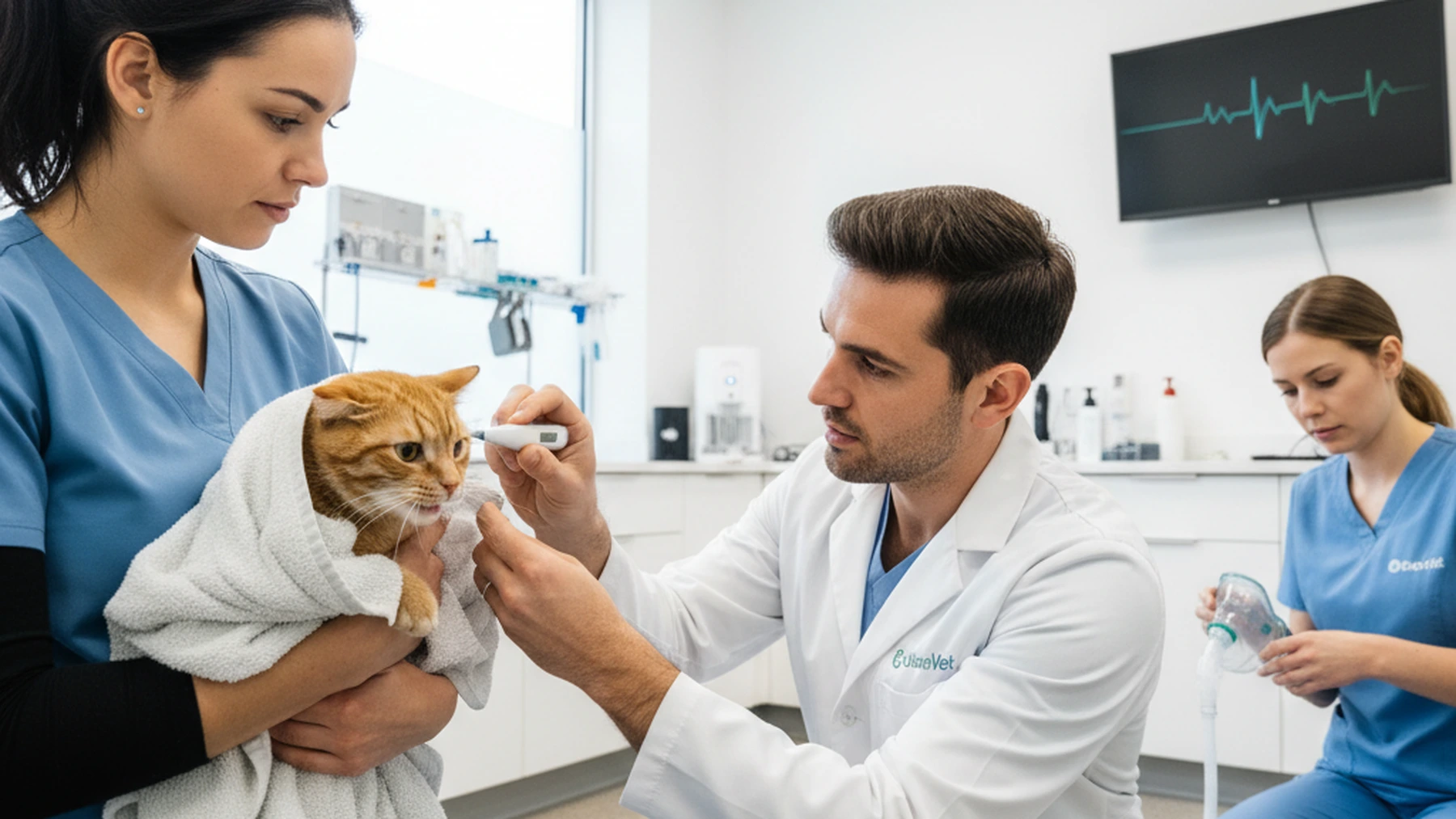
Not every worrying symptom requires a midnight drive to the animal emergency hospital. Some situations warrant a call to your vet during business hours, or a same-day appointment, but aren't typically life-threatening within the hour.
Vomiting and Diarrhea (Mild, Without Other Symptoms)
Occasional vomiting or diarrhea without blood, without lethargy, and without loss of appetite is usually not a stand-alone emergency. Keep your pet hydrated, withhold food for a few hours, and call your vet if it persists past 24 hours or worsens. However, if vomiting diarrhea is accompanied by blood, extreme weakness, or signs of dehydration (sunken eyes, dry gums, skin that doesn't spring back), escalate to urgent care.
Limping Without Weight-Bearing Loss
A mild limp that doesn't stop your pet from putting weight on the leg can typically be assessed during a same-day or next-day appointment. If your pet is suddenly non-weight-bearing on a limb, that urgency increases.
Minor Cuts, Scrapes, or Small Wounds
Small wounds that aren't bleeding heavily can be cleaned at home and assessed during regular hours. Deep puncture wounds, wounds that won't stop bleeding, or those showing signs of infection need to be seen sooner.
Lethargy Without Other Red Flags
A dog or cat that seems "off" or less energetic than usual for a day without other symptoms can often be monitored closely and assessed by your vet the next day. If lethargy is accompanied by vomiting, not eating for more than 24 hours, or any other concerning signs, call your vet right away.
Excessive Scratching or Licking
Skin irritation, allergies, and minor ear issues are uncomfortable but rarely emergencies. Schedule an appointment to get to the root of the issue, but skip the ER unless the skin is broken, bleeding, or your pet is in significant distress.
What to Do While You Wait or Drive
In a true pet emergency, staying calm is one of the most helpful things you can do, for yourself and your pet. Here are a few first aid principles to keep in mind:
Keep them warm and still. Limit movement for injured animals to prevent further injury. Use a blanket or towel as a makeshift stretcher if needed.
Don't muzzle a pet that's having trouble breathing. A muzzle restricts airflow and can make breathing worse in a pet that's already struggling.
Apply gentle pressure to wounds. Use a clean cloth and maintain firm, steady pressure. Don't remove the cloth even if it becomes soaked, add more material on top.
Call ahead. If possible, call the emergency vet before you arrive so they can prepare for your pet's arrival. This can save critical minutes.
Don't offer food or water. If your pet may need surgery, food or water in their stomach can cause serious complications.
Building Your Pet Emergency Plan Before You Need It
The best time to prepare for a pet emergency is before one happens. Here's what every pet owner in Newport Beach should have ready:
Know your nearest animal emergency hospital. Save the address and phone number in your contacts now. In an emergency, you don't want to be searching.
Have a pet first aid kit. Include gauze, medical tape, sterile saline solution, a digital thermometer, and a clean cloth or towel.
Know your pet's normal. Familiarity with your pet's baseline heart rate, breathing rate, gum color, and behavior makes it much easier to spot when something is off.
Keep vet records accessible. Knowing your pet's current medications, vaccination history, and any chronic conditions helps emergency vets provide faster, more accurate care.
Schedule regular wellness visits. Routine preventive pet care allows your vet to catch underlying conditions before they become emergencies. Many urgent situations can be prevented or caught early through consistent health monitoring and diagnostic care.
When to Trust Your Instincts
Here's the truth: if something feels wrong, it probably warrants a call to your vet. You know your pet better than anyone. A behavior change that seems subtle to others may be completely out of character for your animal, and your instinct about that matters.
Recognizing signs of a pet emergency isn't always straightforward. Not every emergency looks dramatic. Some pets hide pain and illness instinctively. When in doubt, call. When you're confident it's an emergency, act.
The team at UrbanVet is here to help you navigate those decisions. Whether you need guidance on what you're seeing or you're ready to come in for a same-day visit, our Newport Beach veterinary team is here for you and your pet.
Contact us anytime to reach our team, or learn more about our full range of veterinary services in Newport Beach.
Frequently Asked Questions
What are the most common pet emergency signs I should watch for?
The most critical pet emergency signs include difficulty breathing, uncontrolled bleeding, collapse, seizures, suspected poisoning, inability to urinate (especially in cats), and a distended abdomen with unproductive retching in dogs. Any of these warrant an immediate trip to an emergency vet.
When should I take my dog to an emergency vet vs. waiting until morning?
Take your dog to an emergency vet immediately if they are having trouble breathing, have collapsed, cannot stand, are bleeding heavily, or may have ingested something toxic. Mild vomiting, a small wound, or a minor limp can usually wait for a same-day call to your regular vet during business hours.
Is there an animal emergency hospital near Newport Beach, CA?
Yes, there are several animal emergency hospitals serving the Newport Beach area. Save the address and number for your nearest emergency facility in your phone contacts now so you're not searching in a crisis. UrbanVet can also provide guidance on the right level of care for what you're seeing.
How do I know if my cat is in pain or distress?
Cats often hide discomfort, but signs of pain or distress include hiding, changes in posture, reluctance to move, vocalizing more or less than usual, flattened ears, changes in breathing, and loss of appetite. If your cat is straining to urinate or breathing with their mouth open, seek emergency care right away.
What should I do if I think my pet ate something toxic?
If you suspect your pet ingested a toxin, contact your vet or an animal poison control resource immediately, even before symptoms appear. Time matters with poisoning. Do not wait to see if your pet develops symptoms; early treatment is far more effective than treating a pet who is already showing signs of toxicity.
Published April 10, 2026 | Author: UrbanVet Team | Newport Beach Veterinarians