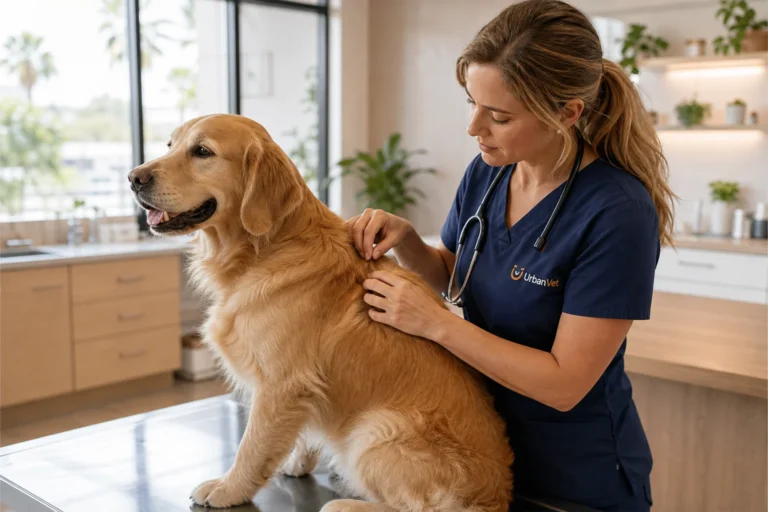
Preparing your pet for summer in Newport Beach means staying ahead of heat risks, building strong hydration habits, and knowing how to navigate the unique conditions of coastal beaches. With warm weather arriving early along the Southern California coast, taking the time now to prepare pet summer safety routines will protect your dog or cat through every warm-weather outing.
Recognize the Warning Signs of Heat Stress
Dogs and cats regulate body temperature very differently from humans. Rather than sweating through their skin, pets rely almost entirely on panting to release excess heat. When ambient temperatures rise quickly, this mechanism can fall behind, and core body temperature climbs to dangerous levels within minutes of intense heat exposure.
Signs to watch for include rapid or labored breathing, thick drooling, red or pale gums, and disorientation. In more advanced cases, symptoms include excessive panting that does not slow even after moving into the shade, vomiting, weakness, and collapse. According to the American Veterinary Medical Association, a dog's normal body temperature ranges between 101 and 102.5 degrees Fahrenheit. Readings above 104 degrees Fahrenheit require immediate veterinary attention, and temperatures above 106 degrees are life-threatening.
Veterinary triage guidelines consistently note that warning signs include excessive panting appearing well before collapse, making it the most reliable early signal that a pet is struggling. Catching it early is what turns a dangerous situation into a manageable one.
Pets at Highest Risk
Brachycephalic breeds, including English bulldogs, French bulldogs, pugs, and Pekingese, face the greatest danger because shortened airways make efficient panting structurally difficult. Senior pets, overweight animals, and those with heart or respiratory conditions are also highly vulnerable. Limit outdoor time for these pets to early morning or after 6 p.m., and never leave them unattended in enclosed spaces during warm weather.
Keeping Your Pet Hydrated All Summer Long
Proper hydration is the single most effective defense against heat illness. Under normal conditions, dogs require approximately one ounce of water per pound of body weight per day, a baseline that climbs sharply during warm weather and physical exertion, according to the National Research Council's 2006 report "Nutrient Requirements of Dogs and Cats."
Steps to help ensure pet hydration through the summer months:
- Carry a collapsible bowl on every outing and offer fresh water every 15 to 20 minutes during activity.
- Refresh home water bowls at least twice daily. Warm, stagnant water discourages drinking and can harbor bacteria.
- Add ice cubes to outdoor water bowls to keep the temperature cool during afternoon heat.
- For cats, a circulating pet fountain encourages more consistent drinking, since many cats prefer moving water.
- Frozen treats made from low-sodium broth or pureed watermelon are a fun way to supplement fluid intake on hot days and are especially useful for dogs that resist drinking during peak heat.
Dehydration: Signs to Catch Before They Escalate
Early dehydration is easy to overlook. Dry or sticky gums, sunken eyes, sluggishness, and slow skin elasticity are the most reliable indicators. To test skin elasticity, gently tent the skin between a dog's shoulder blades. In a healthy, well-hydrated dog, it returns to position immediately. Slow rebound suggests the animal may already be behind on fluids. Seek veterinary attention if these signs appear alongside vomiting or refusal to drink.
Protecting Paws and Skin from Summer Heat Damage
Hot pavement is a serious hazard that many pet owners underestimate. On days when air temperature reaches 87 degrees Fahrenheit, asphalt surface temperatures can exceed 140 degrees Fahrenheit, high enough to cause significant burns on paw pads within 60 seconds of contact. A study published in the Journal of the American Veterinary Medical Association documented this relationship and recommended limiting midday pavement exposure for dogs during warm months.
Use the seven-second hand test before every walk: press the back of your hand flat against the pavement. If it is uncomfortable to hold there for seven full seconds, the surface is too hot for your dog's paws. Walk on grass where possible, use paw-protective wax or dog boots on hard surfaces, and schedule walks for early morning or after sunset.
Sun Protection for Pets with Exposed Skin
Short-coated breeds, white-furred animals, and pets with pink or lightly pigmented skin on the nose, ear tips, and belly are prone to sunburn with prolonged outside exposure. Pet-safe sunscreen products formulated without zinc oxide and para-aminobenzoic acid (PABA) can be applied to vulnerable areas before beach visits or extended outdoor time. Human sunscreen contains ingredients that are toxic to pets when licked, so it is never safe to apply on dogs or cats.
Lightweight UV-protective shirts are a practical option for dogs that resist topical products. Regardless of coat type, try to avoid direct sun exposure between 10 a.m. and 4 p.m. during the summer months.
Beach Safety Tips for Newport Beach Pets
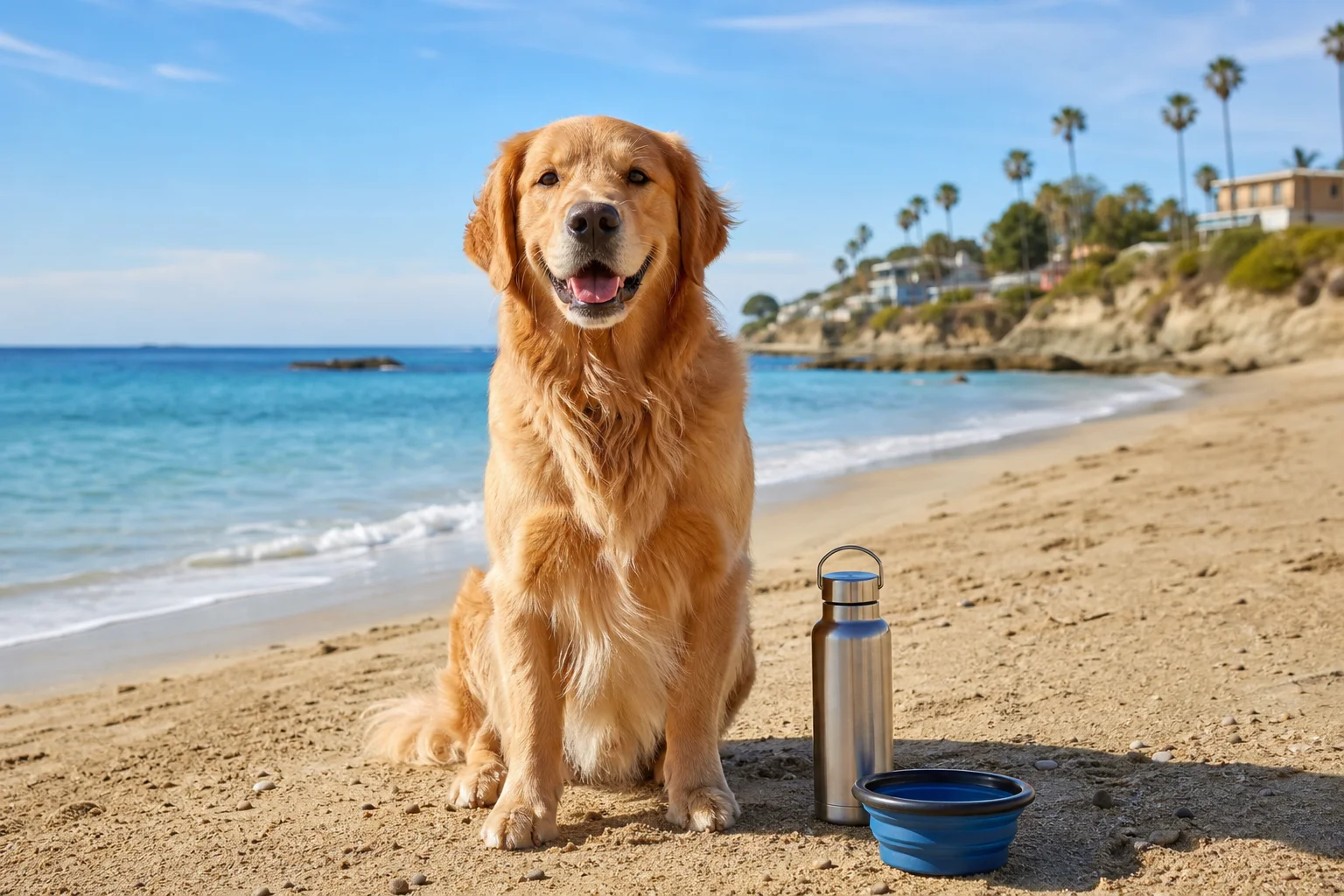
Newport Beach is a great destination for dogs and their owners, offering public beach areas, designated off-leash zones, and miles of coastline to explore. The beach environment does introduce specific hazards beyond the heat. Salt water ingestion is one of the most common warm-weather emergencies seen in coastal veterinary clinics. Dogs playing near the surf frequently swallow ocean water while swimming, fetching, or exploring the waterline, which can cause hypernatremia, a dangerous elevation in blood sodium. This condition leads to vomiting, muscle weakness, excessive thirst, and in serious cases, neurological symptoms.
To keep beach visits safe and enjoyable:
- Bring generous amounts of fresh water and offer it every 20 to 30 minutes. A dog with easy access to fresh water is far less likely to seek out ocean water.
- Rinse your pet completely after every swim to remove salt, sand, and bacteria from the coat and skin.
- Check posted rules at each Newport Beach access point before arrival. Pet access hours and leash requirements vary by location and season.
- Walk the shoreline before releasing your dog to check for jellyfish, fishing hooks, broken glass, and tangled fishing line.
- Make sure your dog responds to a reliable recall command before allowing any off-leash time near open water.
Ocean Fatigue and Water Safety
Dogs often push themselves beyond their capacity in the excitement of surf play. Wave action and lateral drift from currents wear dogs down faster than calm water does. A well-fitted canine life vest is a practical choice for dogs new to open water, breeds with compact or dense builds, or any extended swim session. Never leave your pet unattended near the shoreline, even if they are a confident swimmer.
Seasonal Parasite Prevention: Ticks, Fleas, and Heartworm
Warm weather accelerates flea and tick activity throughout Orange County's coastal and inland habitats. Ticks are active in chaparral and coastal sage scrub environments from early spring through fall, and several species documented in Southern California are capable of transmitting Lyme disease, Rocky Mountain spotted fever, and ehrlichiosis. Research from the Centers for Disease Control and Prevention continues to document expanding tick species ranges across the Western United States.
Make sure your pet's parasite prevention protocol is current before outdoor activity increases. The right product depends on your pet's species, weight, age, health status, and lifestyle. A veterinary consultation is the most reliable way to ensure the correct preventative is matched to your specific animal.
Parasite prevention habits to build this summer:
- After every outing in natural areas, inspect your pet for ticks. Check the ears, between the toes, around the collar, in the groin and armpits, and under the tail.
- Keep grass and brush in your yard trimmed short to reduce tick and flea habitat close to home.
- If your pet shows persistent scratching, patchy hair loss, or you notice flea dirt (dark specks that turn red when wet) in the coat, schedule an appointment promptly to prevent a minor issue from escalating.
- Maintain year-round heartworm prevention. Mosquito activity in Orange County extends well into fall, and consistent prevention is far more straightforward than treating an established infection.
The team at Urban Vet offers primary and preventative pet care tailored to the seasonal hazards of the Newport Beach area. A wellness visit before peak summer is a great opportunity to review your pet's protocol and make sure everything is current and appropriate.
Frequently Asked Questions
How do I know if my dog is overheating?
Warning signs include excessive panting that does not stop after rest in shade, thick drooling, red or pale gums, stumbling, and an unfocused expression. A body temperature above 104 degrees Fahrenheit is a medical emergency. Move your pet to a cool space immediately, apply cool (not ice-cold) water to the paw pads and groin, and contact a veterinarian without delay. Every minute matters in a heat emergency.
Can cats get heatstroke?
Yes. Cats are generally more tolerant of heat than dogs, but they are still at real risk, particularly in enclosed spaces with poor airflow. Panting is not a normal cooling behavior for cats, so a cat that is panting is already under significant heat stress. Additional warning signs include drooling, lethargy, hot skin, and a glazed expression. Never leave a cat in a parked car or a room without adequate ventilation during warm weather.
Is ocean water dangerous for dogs to swallow?
Yes. Swallowing ocean water can cause hypernatremia, an elevation in blood sodium that produces vomiting, lethargy, muscle tremors, and in severe cases, neurological damage. Keeping fresh water available at all times during beach visits is the most effective way to protect your pet. Contact a veterinarian if your dog vomits repeatedly after beach time or appears disoriented.
What should I pack in a summer pet safety kit?
A practical kit should include a collapsible water bowl, enough fresh water for the full outing, pet-safe sunscreen, paw wax or protective boots, a compact first aid kit, and your veterinarian's emergency contact information. If your pet takes prescription medications or has a documented health condition, bring those records as well.
When is it too hot to take my dog outside?
When air temperature exceeds 85 degrees Fahrenheit, schedule walks for early morning or evening and keep them shorter than usual. Apply the seven-second pavement test before each outing. For brachycephalic breeds, senior pets, and animals with underlying health conditions, set a more conservative threshold and favor indoor or air-conditioned activity on the hottest days.
Start the Season With a Wellness Visit
Preparing your dog or cat for the summer months is one of the most practical investments you can make in their long-term health, and our team is here to help every step of the way. Contact Urban Vet to schedule a summer wellness visit and make sure your pet heads into the season healthy, protected, and prepared.