Bringing home a new puppy or kitten is exciting, and your puppy or kitten's first vet visit sets the foundation for years of healthy veterinary care. In Newport Beach, our team guides you through Primary & Preventative Pet Care exams, vaccines, and parasite screening so your new family member starts strong from day one.
By Urban Vet Team, Veterinary Professionals
Why Your Puppy or Kitten's First Vet Visit Sets the Tone for Lifelong Care
The first few weeks with a new puppy or kitten shape how your pet feels about veterinary care for the rest of its life. Your puppy or kitten's first vet visit is not just a checkup, it is an introduction. A calm, positive experience now makes every future appointment, from routine wellness checks to more involved procedures, easier on your pet and on you.
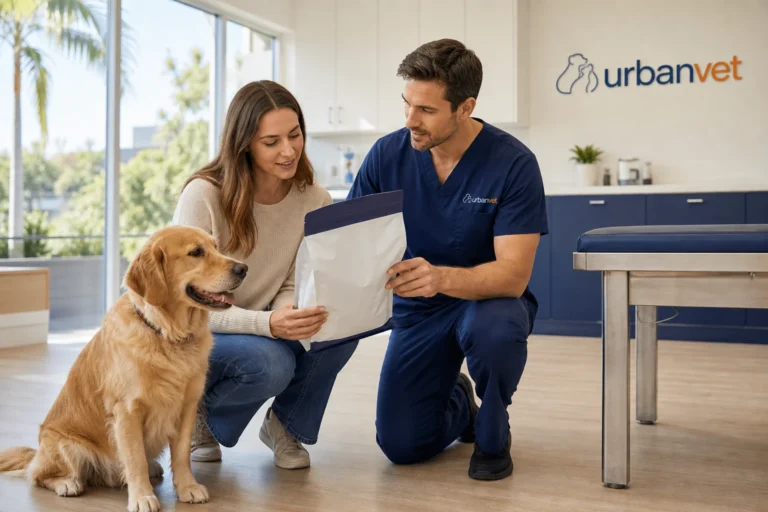
Most breeders, rescues, and shelters send new pet parents home with a folder of paperwork, vaccine records, and sometimes a form documenting any care already provided before you took possession of your puppy or kitten. Bring all of it. Our veterinarians review this history closely so nothing gets duplicated or missed.
We generally recommend scheduling this appointment within the first week of bringing your new pet home, ideally before you introduce them to other pets in the household. Try to keep the car ride calm and your pet secured in a carrier or on a leash, and avoid a large meal right before you leave in case bloodwork is needed. If you already have an established wellness routine for your other animals, that same foundation carries forward into future annual wellness exams, which build on what we establish at this very first appointment.
Inside the Exam Room: What Our Newport Beach Vets Check
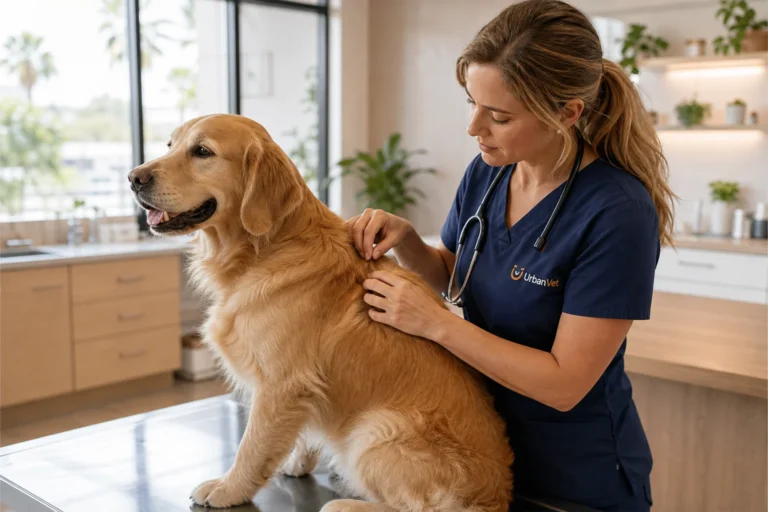
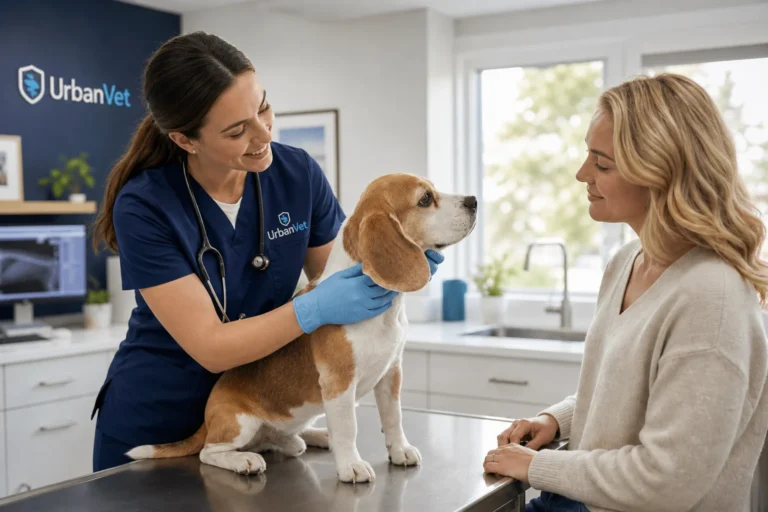
A nose-to-tail physical exam is the centerpiece of the appointment. Our veterinarians check your puppy or kitten's eyes, ears, teeth, heart, lungs, abdomen, skin, and joints, looking for anything out of the ordinary in a young, still-developing body. We also weigh your pet and plot growth against expected ranges for its breed and age.
Because so many conditions in young animals are subtle, our team relies on Pet Diagnostics tools including in-house bloodwork and fecal analysis to catch problems that a visual exam alone might miss. This is also when we discuss temperament, energy level, and any early behavior questions you have, from car rides to crate training.
We will also talk about microchipping if your puppy or kitten does not already have one, along with setting a baseline weight we can track at every future visit. These early numbers matter more than most pet parents expect, since a sudden weight change later on is often the first sign that something needs attention.
Vaccinations and Screening for Intestinal Parasites
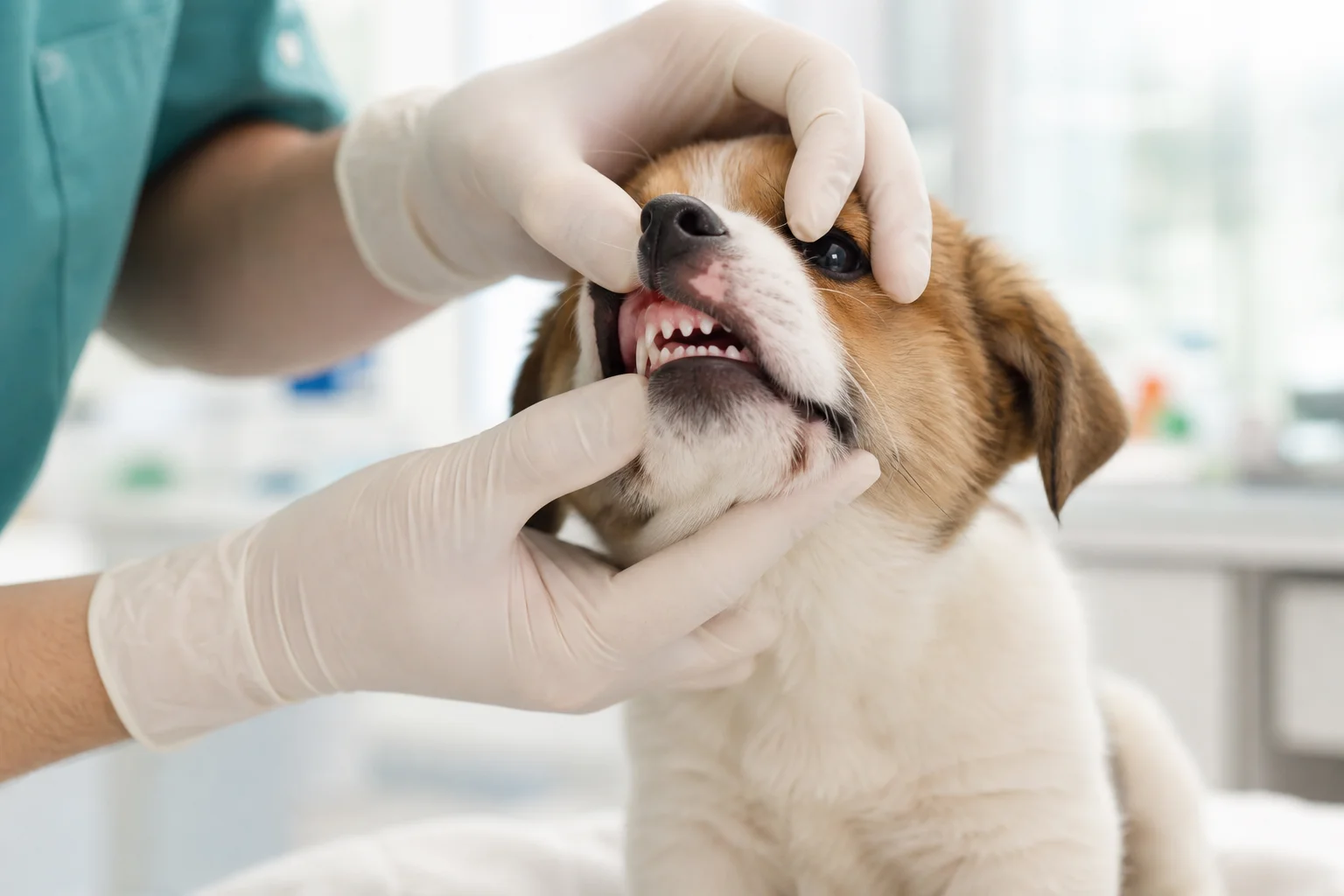
Puppies and kittens are born with limited natural immunity, so a layered vaccination series is standard during these early visits. Your veterinarian will map out a schedule based on age, lifestyle, and exposure risk, since a strictly indoor kitten and an outdoor-adventuring puppy need somewhat different protection. Core vaccines typically protect puppies against distemper, parvovirus, and other common illnesses, and protect kittens against feline distemper and upper respiratory viruses, with rabies timing set according to California requirements.
We also run a fecal exam to screen for intestinal parasites, which are extremely common in young animals and can cause weight loss, poor coat condition, or digestive upset if left untreated. Deworming is routine for most puppies and kittens even without visible symptoms, since intestinal parasites do not always cause obvious signs early on.
If cost planning is part of your decision-making for ongoing veterinary care, pet insurance is worth exploring, since coverage can often help offset the cost of vaccine series, diagnostics, and future treatment as your pet grows.
Flea Tick Prevention, Nutrition, and Socialization
Flea tick prevention should start as early as your veterinarian recommends for your pet's age and weight, since fleas and ticks in Newport Beach stay active nearly year round. We will recommend a flea tick prevention product that is safe for young animals and walk you through how to apply or administer it correctly. Parasite prevention is not a one-time task either, since flea, tick, and heartworm risk shifts with the seasons and with your pet's changing lifestyle, so we will revisit this protection at every future wellness visit.
Proper nutrition matters just as much during this stage. Growing puppies and kittens need calorie-dense, age-appropriate food in the right portions, and your veterinarian will give you specific feeding guidance rather than generic advice. Ask about the best food and feeding schedule for your pet's breed, size, and expected adult weight, and bring the current food bag or label if you are unsure exactly what your pet has been eating so we can advise on any transition.
Socialization also comes up early. If you have other cats or dogs at home, we will talk through a gradual introduction plan that protects everyone's health and helps your new pet feel a sense of belonging in the household. Many pet parents also ask about the right timing for spaying or neutering during this visit, and your veterinarian will talk through the health benefits along with the optimal age for your pet's specific breed and size.
Puppy First Visit vs. Kitten First Visit Basics
A puppy first visit tends to focus more on vaccine timing tied to outdoor exposure, parasite prevention, and early behavior or training questions. A kitten first visit often centers on indoor versus outdoor lifestyle decisions, litter box health, and screening for common feline-specific conditions. Both share the same core goal: catching small issues while your pet is still young enough that treatment stays simple and prevention is more effective than intervention.
Frequently Asked Questions
How old should my puppy or kitten be for the first vet visit?
Most veterinarians recommend scheduling within the first week of bringing your pet home, generally between six and eight weeks of age if your breeder or shelter has not already started vaccinations. Earlier is better, since it allows your veterinarian to catch any health concerns before they progress and to begin the vaccination series on the right schedule for your pet's age and risk level.
What should I bring to the appointment?
Bring any paperwork from the breeder, shelter, or previous owner, including vaccine records, deworming history, and a stool sample if possible for parasite screening. A stool sample lets us test for intestinal parasites right away instead of scheduling a separate visit. A short list of questions about behavior, food, or training is also genuinely helpful for our team.
Will my puppy or kitten need more than one appointment?
Yes. Vaccinations are given in a series over several weeks because a single dose does not provide full protection for a young immune system that is still developing. Expect two to four follow-up visits over the first few months, spaced based on your veterinarian's specific recommendations for your pet's breed, environment, and exposure risk.
Is it normal for my puppy or kitten to be nervous?
It is completely normal. New smells, sounds, and handling can feel overwhelming for a young animal experiencing a clinic for the first time. Our team uses gentle handling and a calm, unhurried pace to help your pet build positive associations with veterinary care starting at this very first appointment, which makes every future visit easier for everyone involved.
What is the best way to prepare my pet before we arrive?
Keep the morning calm, use a secure carrier or leash, and avoid a heavy meal beforehand in case bloodwork is needed. Gather any records you have, and jot down questions so nothing gets forgotten once you are in the exam room. A little preparation goes a long way toward a smooth, low-stress first appointment for both of you.
Book Your Pet's First Appointment Today
Your puppy or kitten's first vet visit deserves a team that treats your new family member with the same care you would. Contact our Newport Beach clinic to schedule an appointment and get started on a lifetime of proper veterinary care.