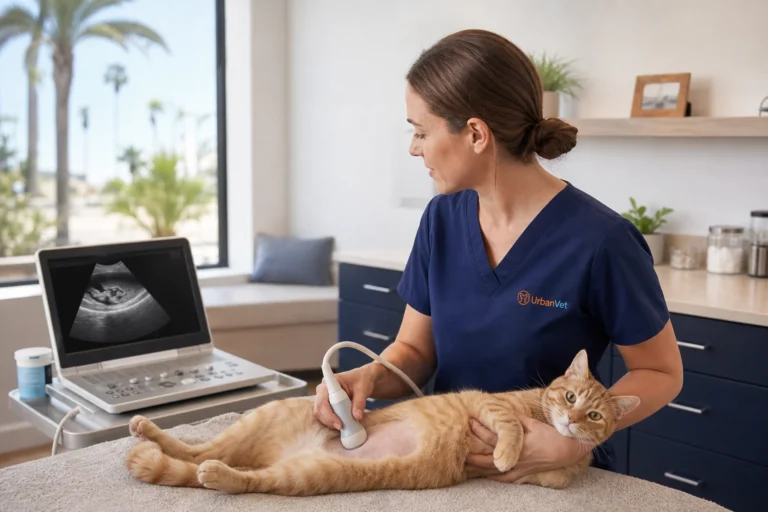
Dog arthritis symptoms often start quietly: a slower rise from the couch, a shortened walk, a reluctance to jump into the car. Cats hide joint pain even better. Catching these changes early, through routine Primary & Preventative Pet Care, gives you the best shot at slowing arthritis and keeping your pet comfortable for years to come.
By Urban Vet Team, Veterinary Professionals
What Are the Early Signs of Arthritis in Dogs and Cats?
Arthritis is common in older dogs and cats, and it develops gradually, so the earliest clues are easy to miss. Common dog arthritis symptoms include stiffness after naps, a slower pace on walks, hesitation before jumping onto furniture or into the car, and difficulty climbing stairs. Some dogs lick or chew at a sore joint, while others simply seem less interested in play.
Cats show subtler changes. Watch for a cat sleeping more than usual, skipping favorite high perches, missing the litter box because the sides feel too tall to climb over, or a coat that looks unkempt because grooming has become uncomfortable. In both cats and dogs, weight gain often accompanies these symptoms since a painful pet moves less and burns fewer calories.
What Causes Arthritis in Dogs and Cats?
The most common type of arthritis in dogs and cats is osteoarthritis, the gradual breakdown of cartilage that cushions the joints. Once cartilage wears down, bones move against each other with less padding, leading to inflammation, pain, and stiffness. Age remains the single biggest risk factor: cartilage naturally thins over time, which is why arthritis is one of the most common problems affecting senior dogs and cats, alongside slowing metabolism and weight gain that adds extra load to already worn joints.
Other causes include joint injuries that never fully healed, hip or elbow dysplasia (an abnormally formed joint, common in larger dog breeds), obesity, and repetitive strain in working or highly active dogs. In rarer cases, an immune-mediated form similar to rheumatoid arthritis can affect younger dogs, where the immune system attacks the joint lining. Vets broadly separate joint disease into osteoarthritis and these rarer immune-mediated types, since the treatment approach differs.
How Do You Tell Dog Arthritis Symptoms From an Injury?
A sudden injury and dog arthritis symptoms can look similar at first glance, but the pattern is different. An injury, like a torn ligament in the knee, usually causes sudden, severe lameness that appears in an instant, often after a jump, fall, or hard run. Arthritis symptoms build gradually: stiffness that is worse first thing in the morning or after resting, then loosens up once your dog gets moving, and slowly worsens over months.
Location matters too. Arthritis can affect nearly any joint, from the hips and knees to the smaller joints in the paws, while an acute injury usually points to one specific limb. If your dog is suddenly non-weight-bearing on one leg, that looks more like an injury and needs prompt evaluation. If the limping comes and goes, is worse after rest, and affects an older dog, arthritis is the more likely explanation.
How Do Cats Show Arthritis Symptoms Differently Than Dogs?
Cats are experts at hiding pain, a survival instinct left over from life as both predator and prey. Instead of obvious limping, an arthritic cat is more likely to show reduced jumping height, reluctance to use stairs, a scruffy or matted coat from skipped grooming, and litter box accidents because climbing over a high sided box hurts. Some cats become irritable or withdrawn, while others simply sleep more and interact less.
Because these changes look like ordinary aging rather than obvious pain, feline arthritis is widely underdiagnosed. If your cat's daily habits have quietly shifted over the past several months, joint pain is worth ruling out, even without a visible limp.
How Do Vets Diagnose Arthritis in Dogs and Cats?
Diagnosis starts with a physical exam: your vet will watch your pet walk, gently flex and extend each joint to check range of motion, and feel for swelling, heat, or a grating sensation called crepitus. Because other conditions can cause similar symptoms, your vet may also recommend Pet Diagnostics such as X-rays to confirm joint changes, and blood tests to rule out infections, immune disease, or other causes of pain.
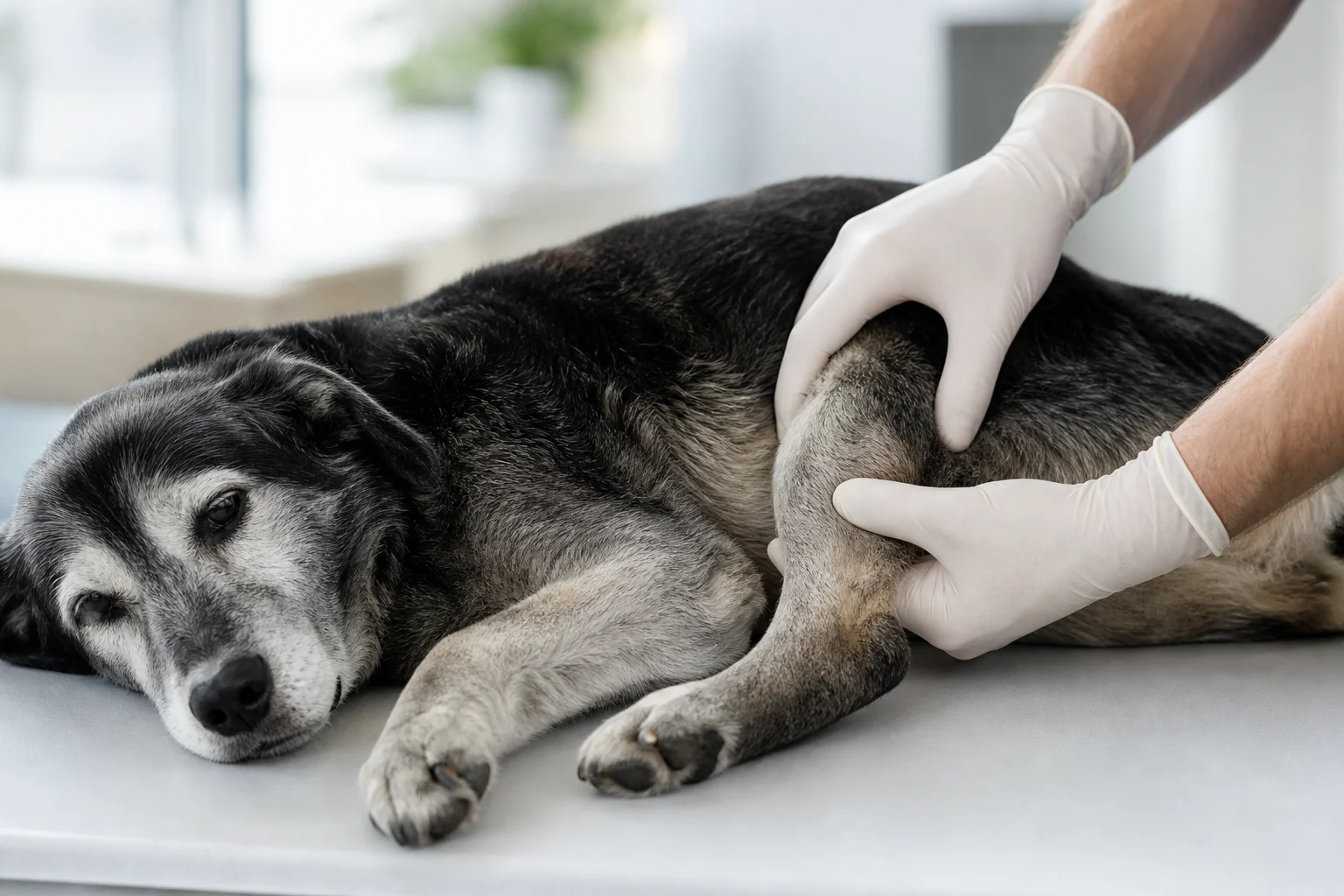
Think of this workup the way a doctor would evaluate a person's joint pain: history, hands on exam, then imaging to confirm what the exam suggests. A clear diagnosis lets your vet tailor a treatment plan instead of guessing at pain relief.
What Are the Modern Treatment Options for Pet Arthritis?
Arthritis cannot be reversed, but modern pet arthritis treatment can meaningfully reduce pain and slow how quickly the disease progresses. A typical plan combines several approaches rather than relying on one fix.
Weight Management and Diet
Extra weight adds direct load to sore joints, so a lean body condition is one of the most effective, lowest risk ways to reduce arthritis pain. Your vet can recommend a diet suited to your pet's age, weight, and activity level.
Joint Supplements
Glucosamine and chondroitin are commonly used to support joint health and may help ease mild to moderate stiffness, often alongside omega 3 fatty acids for their anti inflammatory effect.
Medication
Veterinary anti inflammatory medications, and in some cases newer injectable therapies, can reduce inflammation and pain, letting stiff pets move more comfortably day to day.
Physical Rehabilitation
Controlled exercise, hydrotherapy, and targeted stretching help maintain muscle strength around affected joints without overloading them.
Surgery
For severe joint damage, particularly hip dysplasia or a torn cruciate ligament, surgery may be recommended to restore function when medical management alone is not enough.
Most pets do best on a combination plan, adjusted over time as symptoms change.
Frequently Asked Questions
What Are the First Dog Arthritis Symptoms to Watch For?
Most owners notice dog arthritis symptoms starting with stiffness after rest that eases once the dog warms up and starts moving. A slower pace on walks, hesitation before jumping into the car, or reluctance to climb stairs often follow. These early changes are easy to mistake for normal aging, so it is worth mentioning them at your next checkup.
Can Dog Arthritis Be Cured or Only Managed?
Arthritis cannot be cured because the cartilage damage it causes is permanent, but it can usually be managed well. With weight control, joint supplements, medication, and rehabilitation, many dogs stay comfortable and active for years with consistent veterinary care. Management tends to work best when started early.
What Age Do Dogs Typically Start Showing Arthritis Symptoms?
Arthritis can appear at any age, but it becomes far more common as dogs enter their senior years, usually around 7 to 10 years old depending on breed and size. Large and giant breeds often show symptoms earlier, and dogs with hip or elbow dysplasia may develop arthritis symptoms as young adults.
Is Exercise Good or Bad for a Dog With Arthritis?
The right kind of exercise generally helps rather than hurts an arthritic dog. Regular, low impact activity like leash walks or swimming maintains the muscle tone that supports the joints, while long stretches of inactivity can make stiffness worse. High impact activity like jumping or hard sprinting is usually best limited. Your vet can help tailor an exercise routine to your dog's needs.
When Should You Take Your Pet to the Vet for Arthritis Symptoms?
Schedule an exam any time you notice new stiffness, limping, reluctance to jump or climb, or a change in activity level that lasts more than a few days. Sudden, severe lameness needs prompt evaluation to rule out injury. Earlier evaluation generally means more treatment options.
Schedule an Arthritis Checkup for Your Pet
If your dog or cat is showing new stiffness, slower walks, or reluctance to jump, an exam can identify the cause and get a treatment plan started before joint damage progresses. Contact UrbanVet's Newport Beach team to schedule an evaluation.