Holiday Hazards for Pets: Essential Safety Tips on Trees, Decorations, and Toxic Plants
The holiday season brings joy and celebration, but it also poses unique hazards for our furry friends. As pet owners, it’s crucial to understand the potential dangers that holiday decorations, plants, and foods can present to dogs and cats. This article will explore essential safety tips to keep your pets safe during the festive season, focusing on common hazards such as toxic plants, unsafe decorations, and preventive measures. By being informed, you can ensure a safe and enjoyable holiday for both you and your pets. We will cover the risks associated with holiday plants, how to pet-proof your decorations, what to do in case of ingestion, and year-round safety tips.
Which Holiday Plants Are Toxic to Dogs and Cats?
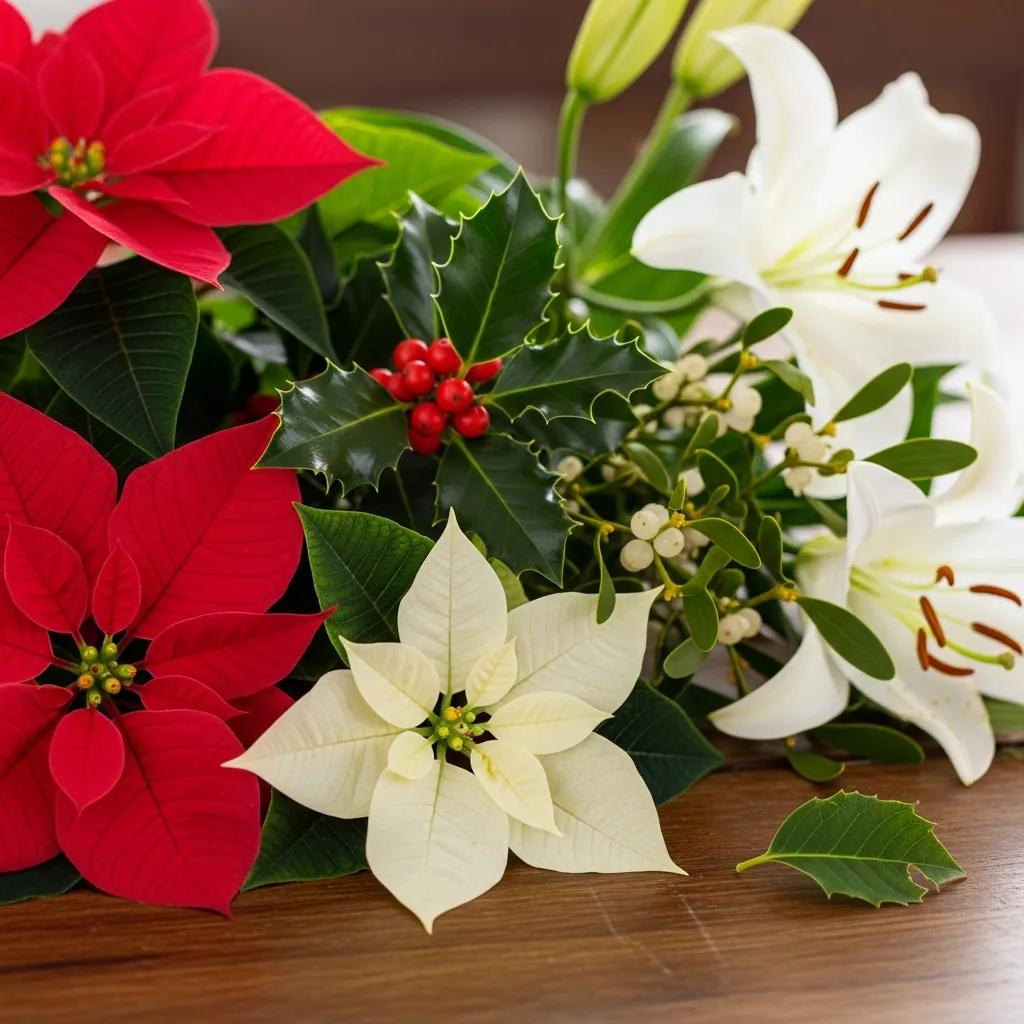
During the holiday season, many plants can pose serious risks to pets. Understanding which plants are toxic is essential for keeping your furry companions safe. Common holiday plants include poinsettias, mistletoe, holly, and lilies, each with varying levels of toxicity.
| Plant | Toxicity Level | Symptoms |
|---|---|---|
| Poinsettia | Mild | Vomiting, drooling, mild irritation |
| Mistletoe | Moderate | Gastrointestinal upset, slowed heart rate, weakness |
| Holly | Moderate | Vomiting, diarrhea, lethargy |
| Lilies | High (especially to cats) | Kidney failure, vomiting, lethargy |
These plants can cause a range of symptoms, from mild gastrointestinal upset to severe health issues. It’s crucial to keep these plants out of reach of pets to prevent accidental ingestion.
What Are the Risks of Poinsettias, Mistletoe, Holly, and Lilies?
Poinsettias are often considered mildly toxic, causing irritation to the mouth and stomach, leading to vomiting or drooling. Mistletoe, particularly the berries, can be more dangerous, potentially causing slowed heart rate, weakness, and gastrointestinal distress. Holly can lead to similar symptoms, while lilies are highly toxic to cats, causing severe kidney damage even in small amounts. Lilies are generally not toxic to dogs but can cause mild gastrointestinal upset. If you suspect your pet has ingested any of these plants, it’s essential to seek veterinary care immediately.
How Do Toxic Plants Affect Dogs Differently from Cats?
Dogs and cats can react differently to toxic plants due to their unique physiology. For instance, while both species may experience gastrointestinal upset from poinsettias, cats are particularly sensitive to lilies, which can lead to acute kidney failure. Dogs are less affected by lilies but may experience mild symptoms. Understanding these differences is vital for pet owners, as it can influence how quickly you respond to potential poisoning. Always consult your veterinarian if you suspect your pet has ingested a toxic plant.
How Can You Pet-Proof Your Christmas Tree and Holiday Decorations?
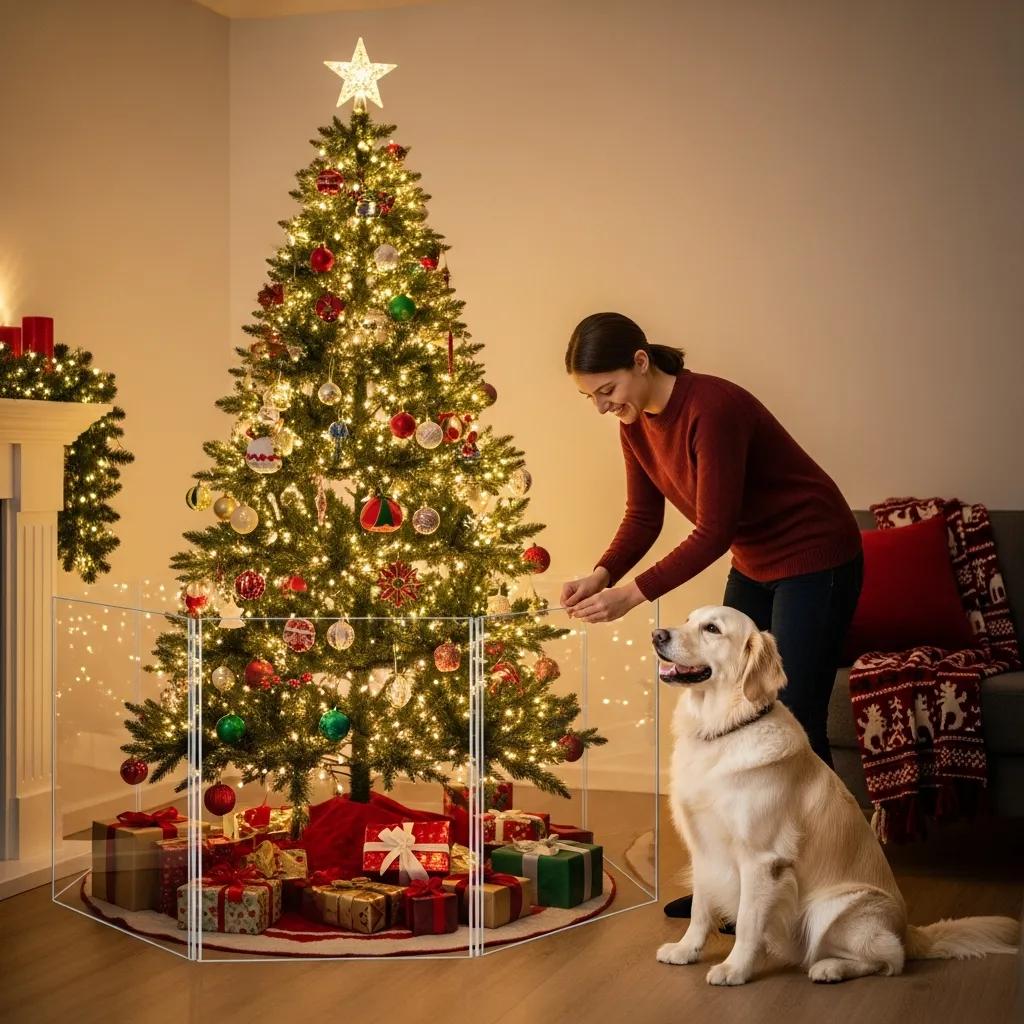
Pet-proofing your holiday decorations is essential to prevent accidents and injuries. Christmas trees, ornaments, and lights can all pose risks to curious pets.
- Secure the Tree: Ensure your Christmas tree is stable and cannot be easily knocked over by pets.
- Use Pet-Safe Ornaments: Opt for unbreakable ornaments and avoid those with small parts that could be swallowed.
- Hide Electrical Cords: Use cord covers to prevent pets from chewing on electrical cords, which can lead to shocks or fires.
By taking these precautions, you can create a safer environment for your pets during the holiday season.
What Are the Dangers of Tinsel, Ornaments, Lights, and Tree Water?
Tinsel and garlands can be particularly hazardous if ingested, potentially causing intestinal blockages. Ornaments, especially glass ones, can shatter and cause cuts or injuries. Additionally, the water in the tree stand can be contaminated with fertilizers, bacteria, or preservatives, which can be harmful if ingested. Always monitor your pets around the tree and decorations to prevent accidents.
What Practical Steps Prevent Injuries and Poisoning from Decorations?
- Limit Access: Keep pets out of the room with the tree when unsupervised.
- Use Deterrents: Employ pet-safe deterrents to discourage pets from approaching the tree.
- Educate Family Members: Ensure everyone in the household understands the importance of keeping pets safe from holiday hazards.
These steps can significantly reduce the likelihood of accidents and ensure a joyful holiday season.
What Should You Do If Your Dog or Cat Eats Christmas Tree Needles or Toxic Items?
If your pet ingests Christmas tree needles or any toxic items, it’s crucial to act quickly. Pine needles can cause gastrointestinal irritation, while other decorations may pose more severe risks.
What Are the Signs of Holiday-Related Poisoning or Injury in Pets?
Signs of poisoning or injury can vary but may include:
- Vomiting
- Diarrhea
- Lethargy
- Difficulty breathing
- Unusual behavior
When and How to Contact an Emergency Vet in Newport Beach?
In case of an emergency, knowing when and how to contact a veterinarian is vital. If your pet shows severe symptoms or if you suspect poisoning, call your local emergency vet immediately. Be prepared to provide information about what your pet ingested, their size, and any symptoms they are exhibiting. UrbanVet in Newport Beach is equipped to handle such emergencies, ensuring your pet receives the care they need.
Which Holiday Pet Safety Tips Help Protect Dogs and Cats Year-Round?
Maintaining pet safety during the holidays is essential, but it’s also important to consider year-round safety tips.
- Regular Vet Check-ups: Schedule regular veterinary visits to monitor your pet’s health.
- Educate Yourself: Stay informed about common household items that can be toxic to pets.
- Create a Safe Environment: Ensure your home is free from hazards, including toxic plants and unsafe decorations.
How Do UrbanVet’s Wellness Plans Support Holiday and Year-Round Pet Safety?
UrbanVet offers wellness plans designed to support your pet’s health throughout the year. These plans include regular check-ups, vaccinations, and preventive care, ensuring your pet remains healthy and safe during the holiday season and beyond. By investing in a wellness plan, you can provide your pet with the best care possible.
What Foods and Substances Should Be Avoided During the Holidays?
During the holidays, many foods can be harmful to pets. Common items to avoid include:
- Chocolate: Highly toxic to dogs and cats.
- Grapes and Raisins: Can cause kidney failure in dogs and possibly cats.
- Onions and Garlic: Harmful to both dogs and cats, causing anemia.
Always keep these foods out of reach and educate family members about the dangers of feeding pets holiday treats.